


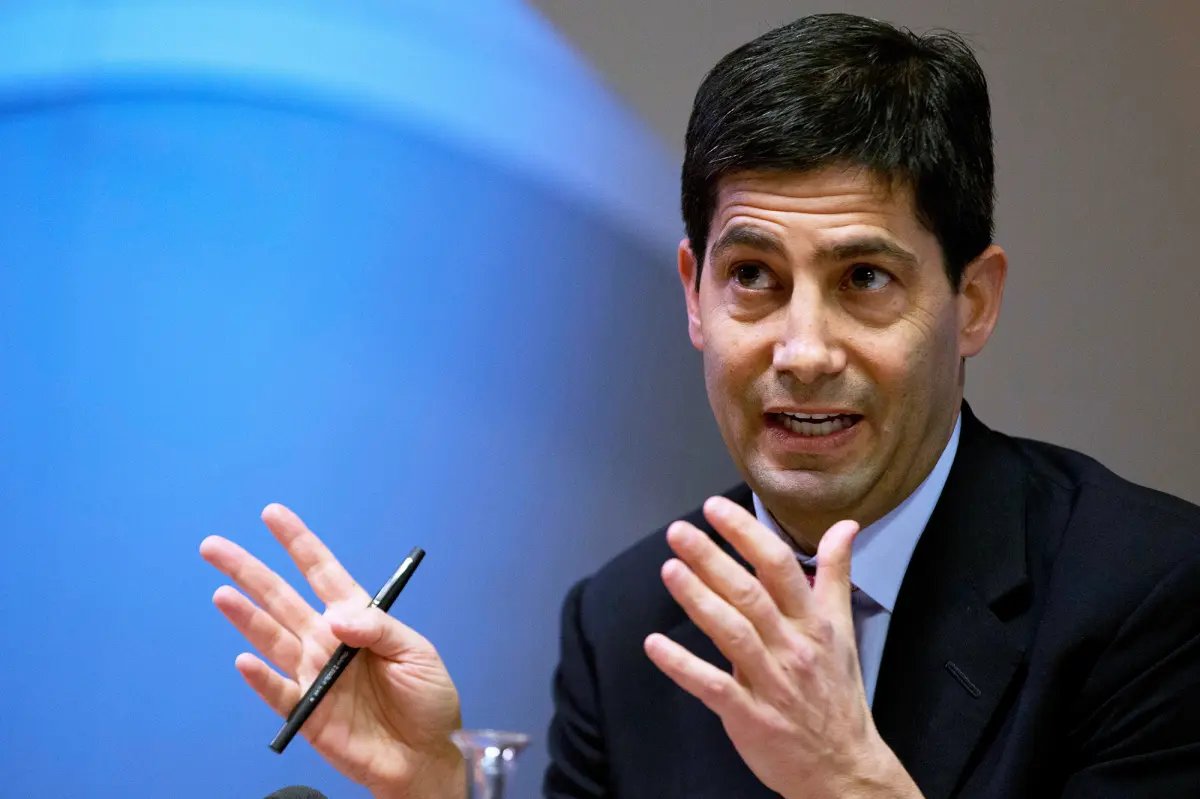
Kevin Warsh is set to become the new chairman of the Federal Reserve, a position that will require him to manage a delicate balance between controlling inflation and aligning with President Trump’s economic ambitions. Trump’s inclination is towards stimulating economic growth to 6%, often advocating for lower interest rates to facilitate this growth, which may conflict with Warsh’s longstanding reputation as an inflation hawk.
Warsh’s career has prepared him for this challenging role. With experience dating back to his tenure as a Fed governor during the 2008 financial crisis, he played a crucial part in stabilizing the economy by implementing expansive monetary policies. However, he later cautioned against these same policies, arguing that they set the economy on a path toward excessive inflation. Warsh has critiqued recent Fed chairs for persisting in these approaches, which he believes divert focus from the Fed’s dual mandate of maintaining low inflation while supporting strong employment.
As inflation recently surged to 9%, the Federal Reserve under Jerome Powell adapted by raising interest rates. The ramifications of these decisions were felt broadly, impacting the public’s cost of living. With Warsh’s confirmation anticipated soon, he faces the task of reconciling the president’s demands for lower rates while concurrently addressing the inflationary pressures resulting from previous monetary policies.
In managing the Fed’s balance sheet, Warsh intends to reduce the excess liquidity in the economy, thereby aligning short-term rates with economic reality while controlling longer-term rates influenced by bond markets. His ability to navigate these complexities will be critical as he steps into this pivotal role.
Why this story matters
Key takeaway
Opposing viewpoint