


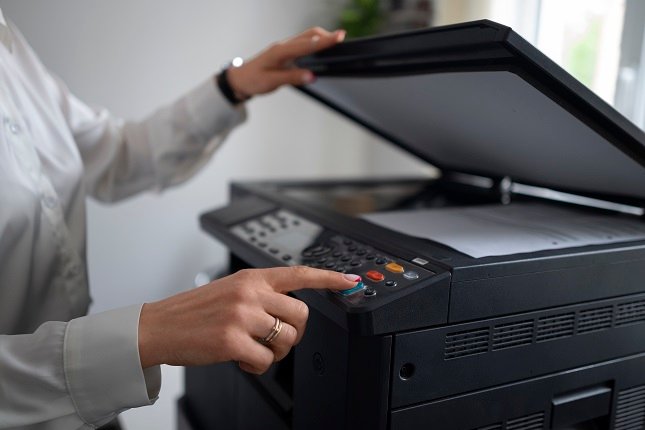
Small businesses face the challenge of integrating cost-effective technologies into their operations, and despite the rise of digital communication, traditional faxing remains crucial for secure document transmission. To select the appropriate faxing software, businesses must consider several factors including their size, budget, and specific operational needs.
First, understanding a company’s unique faxing requirements is essential. Factors such as the volume of faxes and the sensitivity of documents significantly influence the choice of software. For example, industries like legal and healthcare often require enhanced security features, such as encryption and audit trails, due to regulatory compliance.
Security features are paramount. Reliable faxing software should include data encryption both during transmission and at rest, secure user authentication, and access controls. Businesses must also ensure that the software has a proven reliability track record and can provide references from similar industries.
In terms of integration, the chosen software should seamlessly connect with existing tools like email, customer relationship management (CRM) systems, and document management platforms. This compatibility is vital for maintaining operational efficiency and facilitating remote work.
Cost and scalability are critical considerations as well. It’s important to assess the total cost of ownership, including any potential hidden fees as the business grows. Subscription tiers should also be scrutinized to accommodate increasing fax volumes without incurring unexpected expenses.
Selecting the right faxing software involves careful evaluation of faxing needs, security, system compatibility, and cost-effectiveness. This diligence ensures a solution that not only meets current requirements but also adapts to future challenges.
Why this story matters:
- Faxing continues to be a necessary method for secure document handling in many industries.
Key takeaway:
- Small businesses should thoroughly evaluate faxing software based on their specific needs, focusing on security, integration capabilities, and long-term costs.
Opposing viewpoint:
- Some argue that faxing is becoming obsolete in favor of newer communication technologies and may not be worth the investment for all businesses.