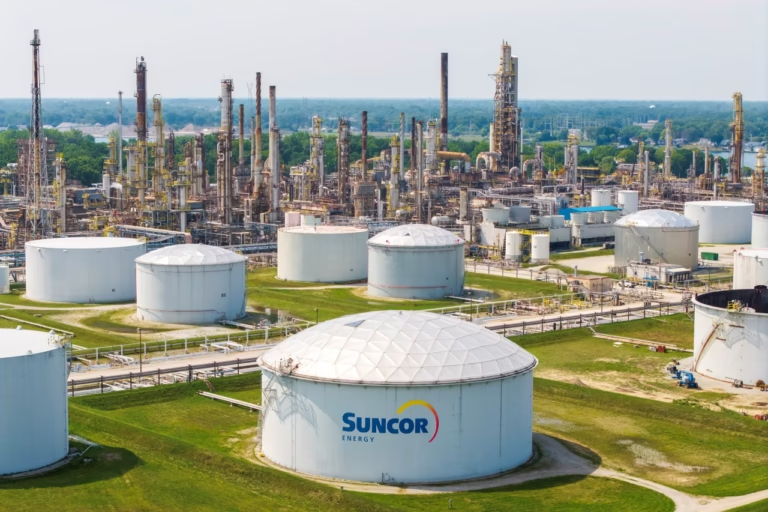



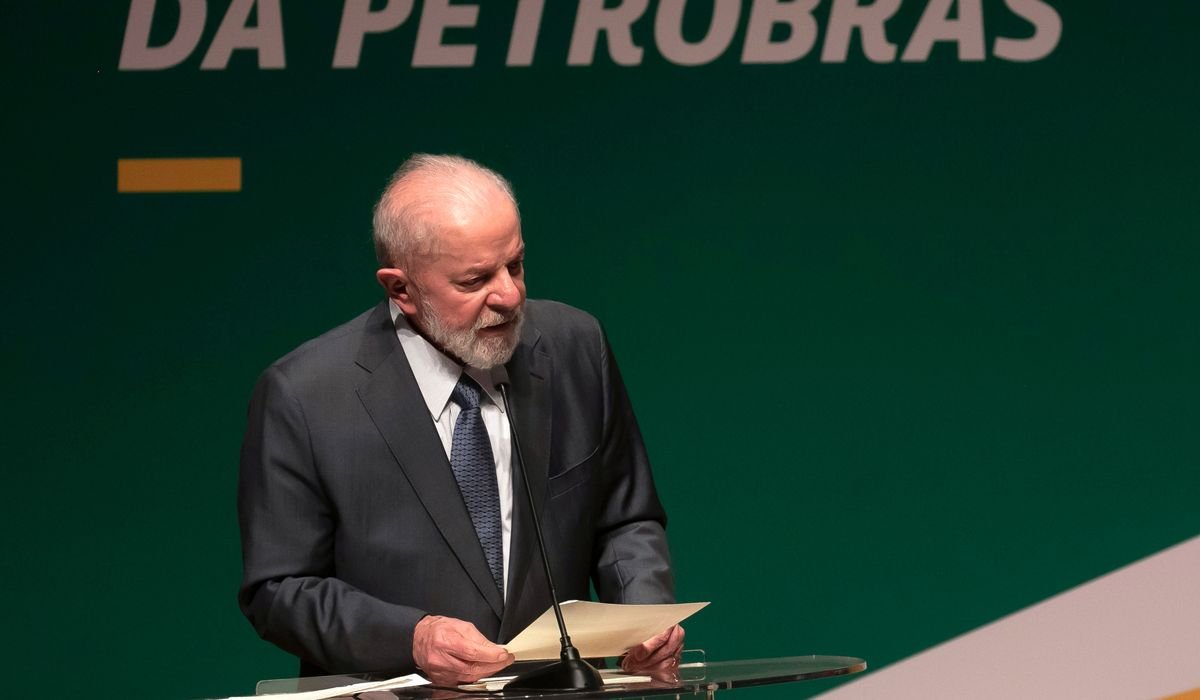
Brazil’s President Luiz Inácio Lula da Silva announced on Monday that new oil drilling in northern and northeastern coastal regions could significantly benefit the country’s future. This statement followed his visit to a Petrobras offshore drilling vessel after the state-owned corporation reported the discovery of hydrocarbons near the Amazon River’s mouth.
Petrobras, Brazil’s majority state-owned oil company, confirmed the find during exploratory drilling about 112 miles off the coast of Amapá state along the Equatorial Margin. This area is believed to contain substantial oil and natural gas reserves, with estimates suggesting it could hold up to 10 billion barrels of oil, potentially valued at $720 billion.
However, the exploratory drilling, which commenced in October, has faced legal challenges from environmental and Indigenous groups. They argue that the licensing process did not adequately consult affected communities, minimized spill risks, and neglected to assess climate impacts thoroughly. Petrobras maintains it has a strong safety record with no historical spills.
Lula emphasized his commitment to renewable energy and biofuels but expressed the need for fossil fuels as part of the country’s economic development. He is gearing up for a competitive re-election campaign in October and highlighted that Amapá cannot be limited to exporting its local products without pursuing larger economic opportunities.
Political analysts note that Lula’s focus on oil drilling seeks to secure voter favor, particularly in northern regions, as he faces significant opposition.
Key points:
- Why this story matters: The discovery has the potential to reshape Brazil’s economic landscape amid ongoing environmental concerns.
- Key takeaway: Lula’s mixed approach to fossil fuel exploration and renewable energy reflects the complexities of Brazil’s energy transition.
- Opposing viewpoint: Environmentalists argue that drilling poses significant risks to local ecosystems and communities, undermining climate commitments.