


Luxury spending is projected to rebound this year, fueled largely by a preference for experiences rather than traditional luxury goods. A study by Bain & Co. and Altagamma indicates that after two years of declines, sales of personal luxury goods could increase by 1% to 4% in 2026, with figures estimated between €365 billion and €373 billion (approximately US$413.6 billion to US$422.7 billion) for this year.
Ongoing tensions in the Middle East, particularly the Iran conflict, have negatively impacted sales, especially in Dubai, a key luxury market that heavily relies on tourism. Stability in the region and improved demand from China could bolster the luxury goods market.
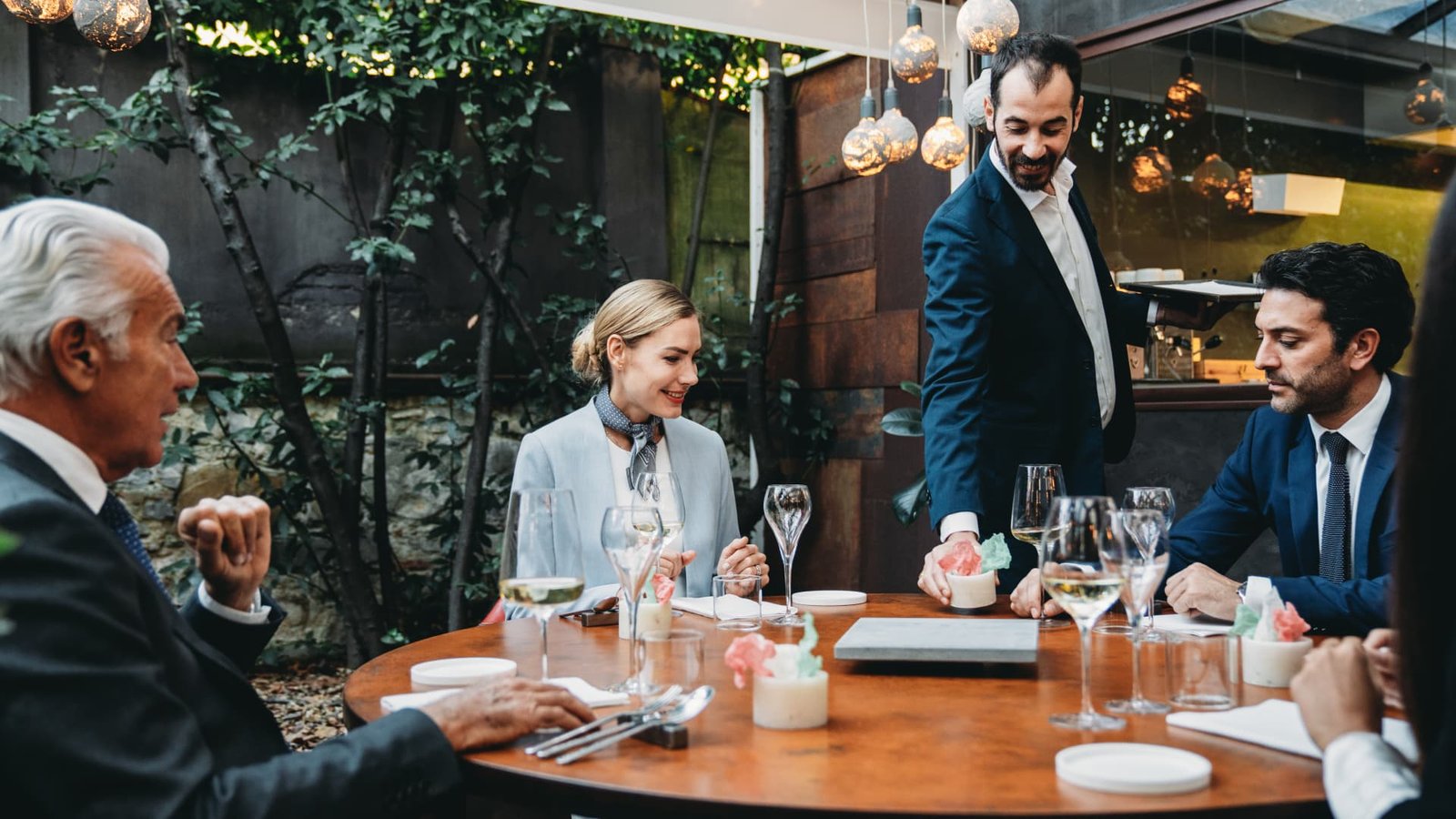
Notably, the United States now leads luxury goods growth for the first time since 2021, largely due to an increase in aspirational consumers. However, the report highlights a significant shift in the priorities of affluent consumers worldwide; a growing emphasis on travel, events, and dining experiences has emerged, with bookings for leisure activities rising by approximately 30% this year. Experiences are expected to grow by 3% to 7%, while luxury goods are projected to see minimal growth.
Claudia D’Arpizio, a senior partner at Bain & Co., stated that the focus is increasingly on how individuals live rather than what they own. Trends such as "immersive wayfaring," which emphasizes unique travel experiences, and "inheritourism," where wealthy families travel together, are becoming more prevalent. Additionally, consumers are adopting a "less-but-better" mentality in areas like fine dining and the arts.
In essence, consumers are not just increasing their expenditures, but are changing their spending habits to seek more personal and authentic experiences.
Why this story matters:
- Highlights shifting consumer trends in the luxury market from goods to experiences.
Key takeaway:
- Luxury spending is rebounding, with experiences such as travel and dining taking precedence over material goods.
Opposing viewpoint:
- The recovery may be hindered by geopolitical tensions and economic uncertainties impacting tourism.