


Fried chicken restaurant chains have emerged as the leading segment within the fast-food industry, registering a traffic increase of 3% for the year ending September 2025, while overall industry traffic fell by 1%. This growth trend continued into 2024, with chicken concepts seeing a 4.3% rise, contrasting with a 1.3% increase in quick-service restaurants and 2.4% in fast-casual dining, according to market research from Circana and The Food Institute.
Industry expert Reilly Newman from Motif Brands attributes this success to the diverse experiences offered by these brands and the customizable nature of chicken dishes, which align with the increasing consumer preference for experiences in dining.
However, despite the increasing patronage, several chicken chains have faced significant financial challenges, resulting in bankruptcy filings. Notably, Southern Classic Chicken’s franchisee in Woodstock, Georgia, sought Chapter 11 protection in November 2025 to reorganize its financial structure. De’nsite Inc., operator of several Harold’s Chicken locations in Illinois, also filed for Chapter 11 in July 2025, reporting assets up to $50,000 against liabilities ranging from $500,000 to $1 million.
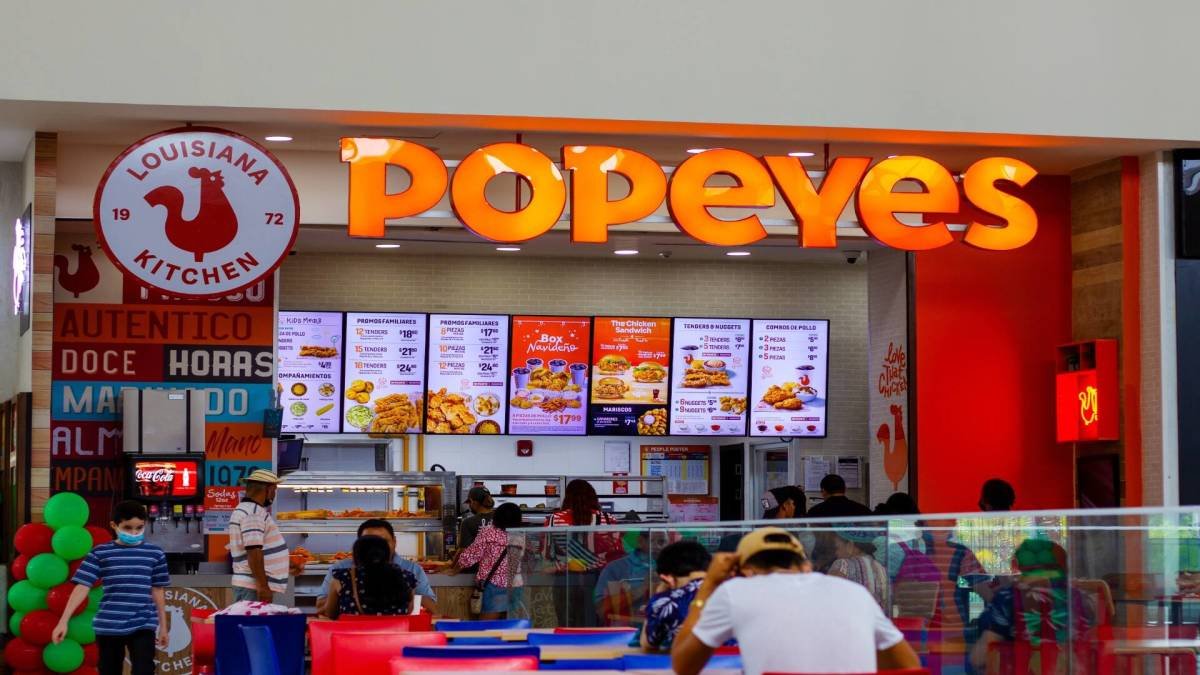
A significant development involved Sailormen Inc., a major franchisee of Popeyes Louisiana Kitchen, which filed for Chapter 11 in January 2026 following a troubled sale of locations and subsequent financial distress. With assets and liabilities estimated between $100 million and $500 million, the filing aimed to stabilize the business amidst rising operating costs and liquidity challenges.
The fast-food chicken sector’s growth stands in stark contrast to the financial woes of individual franchises, highlighting the complexities of success within the industry.
Why this story matters: The performance of chicken chains reflects consumer preferences in the fast-food sector.
Key takeaway: Despite increasing customer traffic, financial mismanagement has led to multiple bankruptcy filings among chicken chains.
Opposing viewpoint: Some may argue that financial troubles in specific franchises do not represent the overall health of the fried chicken market segment.