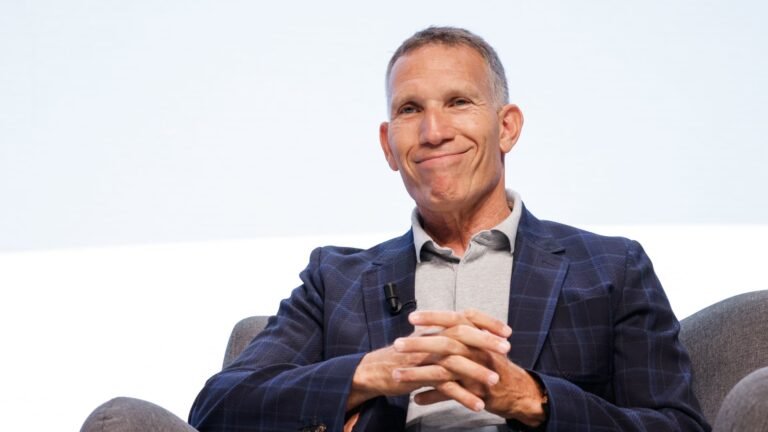




Potential reductions in investment from Middle Eastern sovereign wealth funds could significantly impact the artificial intelligence (AI) sector, draining hundreds of billions of dollars and jeopardizing critical data center projects, according to tech investor Jack Selby. Selby, managing director of Thiel Capital, indicated that Middle Eastern investors, comprising sovereign wealth funds and government entities, contribute approximately 25% of global AI investments forecasted over the next five years.
If regional conflicts, such as the ongoing war in Iran, extend, countries like the United Arab Emirates (UAE) and Saudi Arabia may redirect their financial resources toward domestic rebuilding efforts. Selby warned that such shifts in investment priorities could have substantial consequences for both public and private tech companies dependent on AI infrastructure. He highlighted that markets may not fully recognize the significant role the Middle East plays in capital expenditure related to AI.
Moreover, Selby pointed out that recent revenue shortfalls reported by OpenAI have already unsettled tech markets, with high net worth individuals and family offices increasingly relying on Middle Eastern funds for capital. Major tech companies, including Oracle and Microsoft, are actively engaging in the region to enhance AI infrastructure. However, the potential for canceled contracts, particularly concerning data centers, poses a further risk if geopolitical tensions persist.
Selby cautioned that the AI sector is also at risk of becoming overextended, drawing parallels to the dot-com bubble, suggesting that the financial implications of any downturn in AI investment could exceed those seen in past technology collapses.
Why this story matters:
- The potential withdrawal of Middle Eastern investments could destabilize the global AI sector.
Key takeaway:
- Ongoing geopolitical tensions may lead to reduced capital flow from the Middle East, affecting critical AI infrastructure and investment.
Opposing viewpoint:
- Some may argue that the AI sector is resilient and could adapt to changes in investment patterns, maintaining innovation and growth despite regional funding challenges.