


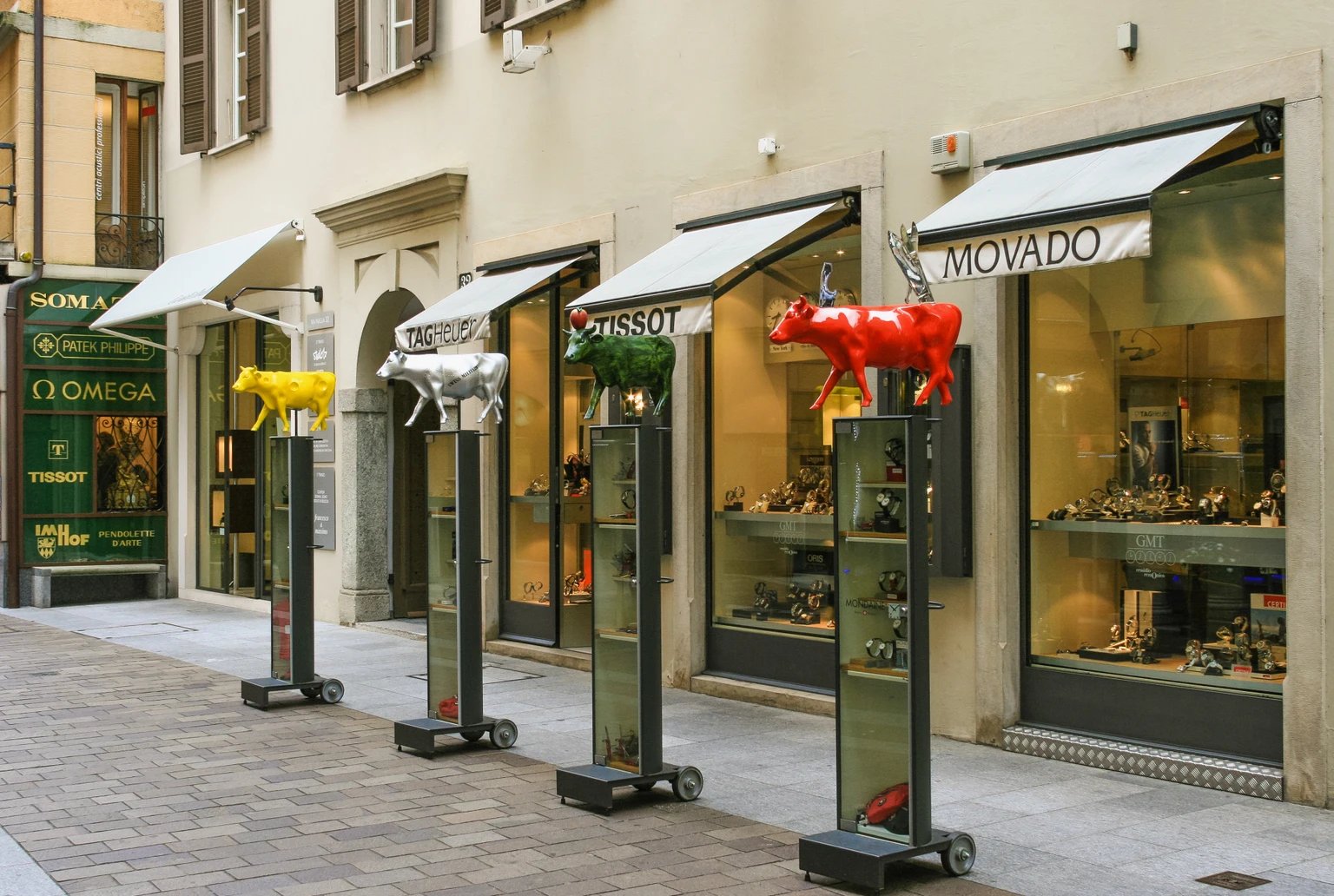
Movado Group, known for its luxury watches, has experienced a period of growth in recent years, driven by a rising demand for premium consumer products. However, analysts caution that this momentum may not be sustainable in the long run.
The company has effectively capitalized on the resurgence of interest in high-end timepieces, benefiting from both the luxury and affordable segments of the watch market. With strategic marketing initiatives and collaborations with various designers and brands, Movado has expanded its reach to younger consumers, enhancing its appeal in a competitive industry.
Despite these successes, experts highlight potential challenges ahead, including fluctuating consumer preferences and economic uncertainty. The luxury watch market could face pressures from changing trends toward smartwatches and alternative wearable technology, which may influence traditional watch sales. Additionally, macroeconomic factors, such as inflation and supply chain disruptions, could impact production costs and consumer spending.
Movado’s performance will largely depend on its ability to adapt to these evolving market dynamics. While the brand has made significant strides, maintaining growth in a market characterized by rapid change presents notable risks.
As Movado continues to forge new partnerships and innovations, stakeholders will be closely monitoring the brand’s ability to sustain its current trajectory amid potential headwinds.
Key points to consider:
- Why this story matters: Movado’s growth reflects trends in luxury consumer spending, which are significant for market analysts.
- Key takeaway: Adapting to changing consumer preferences and economic conditions will be crucial for Movado’s future success.
- Opposing viewpoint: Some believe the traditional watch market can thrive alongside the growing popularity of smartwatches.