



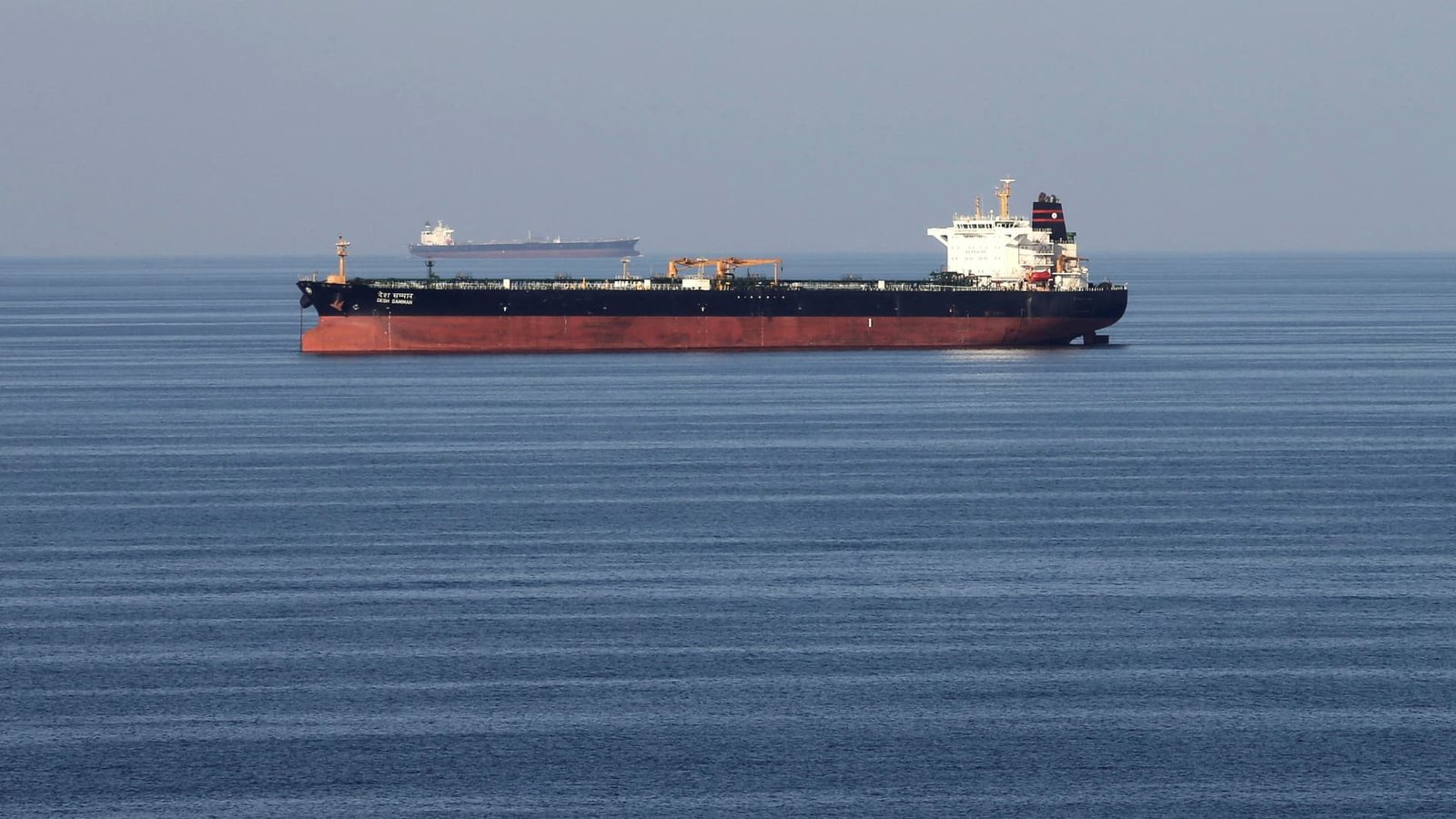
Amid rising tensions in the Middle East, analysts from Goldman Sachs anticipate that sustained increases in oil prices will positively impact two of China’s state-owned petroleum companies, China National Offshore Oil Corporation (CNOOC) and PetroChina. The ongoing conflict in Iran has significantly disrupted shipping routes through the Strait of Hormuz, a critical passage for approximately 20% of global petroleum liquids, primarily destined for Asian markets. Last week, Brent crude futures surged by 28%, marking the largest weekly increase since April 2020, while U.S. crude prices recorded their highest weekly gain since the futures market began in 1983.
Analysts predict that if oil flow through the strait declines by 50% for a month and remains 10% lower over the subsequent 11 months, Brent prices could rise to $100 per barrel. Even with prices fluctuating between $80 and $90, free cash flow for both CNOOC and PetroChina could see an increase of over 10%. Both companies’ stock values reached 52-week highs recently, although they later retraced some gains.
CNOOC is heavily involved in offshore oil operations, while PetroChina focuses more on domestic refining and distribution. However, Goldman Sachs expressed a more cautious outlook for Sinopec, another major player in the industry, indicating that its operations would likely be adversely affected due to domestic pricing mechanisms that do not account for rising international costs.
China, the world’s largest crude importer, has taken precautionary measures by instructing its major refiners to temporarily halt diesel and gasoline exports due to concerns about potential energy supply disruptions stemming from the Iran conflict.
Key points:
-
Why this story matters: The disruption in oil supply due to geopolitical tensions could significantly affect global energy markets and economic conditions, particularly for major importers like China.
-
Key takeaway: Increased oil prices are expected to benefit CNOOC and PetroChina, while Sinopec may face challenges due to its domestic pricing structures.
-
Opposing viewpoint: Analysts caution that refined product pricing in China may not reflect international market fluctuations, potentially disadvantaging refiners like Sinopec amidst rising costs.