


Tensions in the Strait of Hormuz persist as countries around the globe brace for potential energy shortages. Following the outbreak of conflict in the region, the Strait, a crucial shipping route for oil, has seen traffic plummet. Currently, less than ten ships are traversing the strait daily, a stark decrease from the pre-war figures of over 130. This significant decline is attributed to Iran’s military actions, including laying mines and demanding shipping coordination with its forces. The U.S., while imposing a naval blockade on Iranian ports to exert economic pressure, finds that Iran’s geographical advantages complicate efforts to restore safe passage.
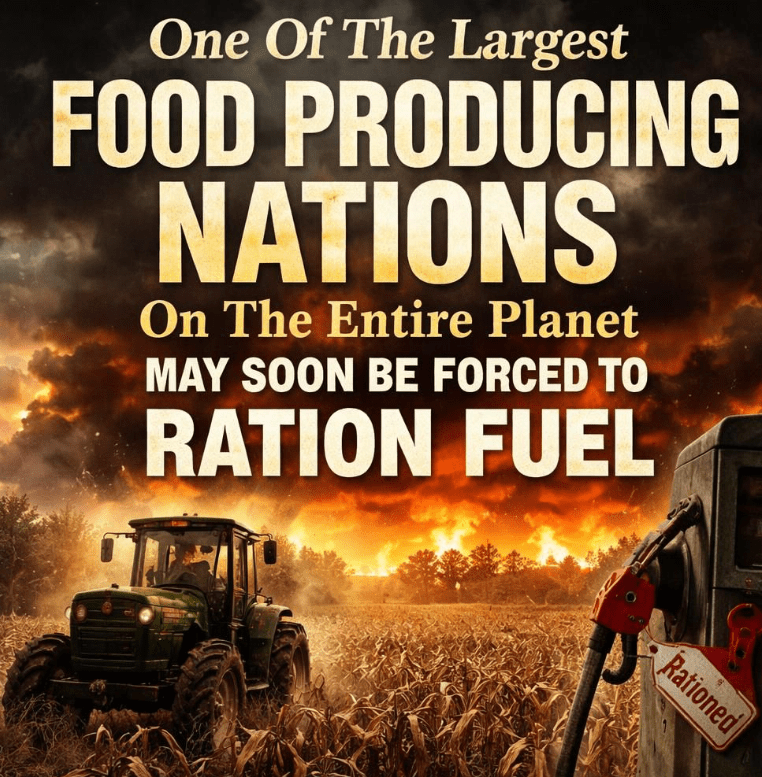
As countries slow their energy reserves, certain nations face urgent fuel crises. For instance, Australia is nearing critical fuel shortage levels, with only a month’s worth of fuel supply left. If the situation does not improve, rationing could become necessary, severely impacting the agricultural sector, which includes Australia’s status as a leading wheat and barley producer.
The ramifications extend beyond local economies. A prolonged closure of the Strait could lead to a global food crisis in as little as six to nine months due to disruptions in fertilizer supplies needed for crop production. Iran itself may soon experience severe fuel shortages, compounding the urgency of the situation.
The geopolitical implications are significant, with warnings from China about the dangers posed by the U.S. blockade. The outcome in the Strait of Hormuz could determine energy supplies and agricultural outputs on a global scale, making a swift resolution imperative to avert a broader crisis.
Why this story matters:
- Global energy supplies and agricultural production are at risk due to ongoing tensions in the Strait of Hormuz.
Key takeaway:
- The conflict in the Strait has drastically reduced shipping traffic, threatening potential fuel shortages and food crises worldwide.
Opposing viewpoint:
- Some argue that the U.S. blockade is a necessary measure to curb Iranian influence despite potential global repercussions.