



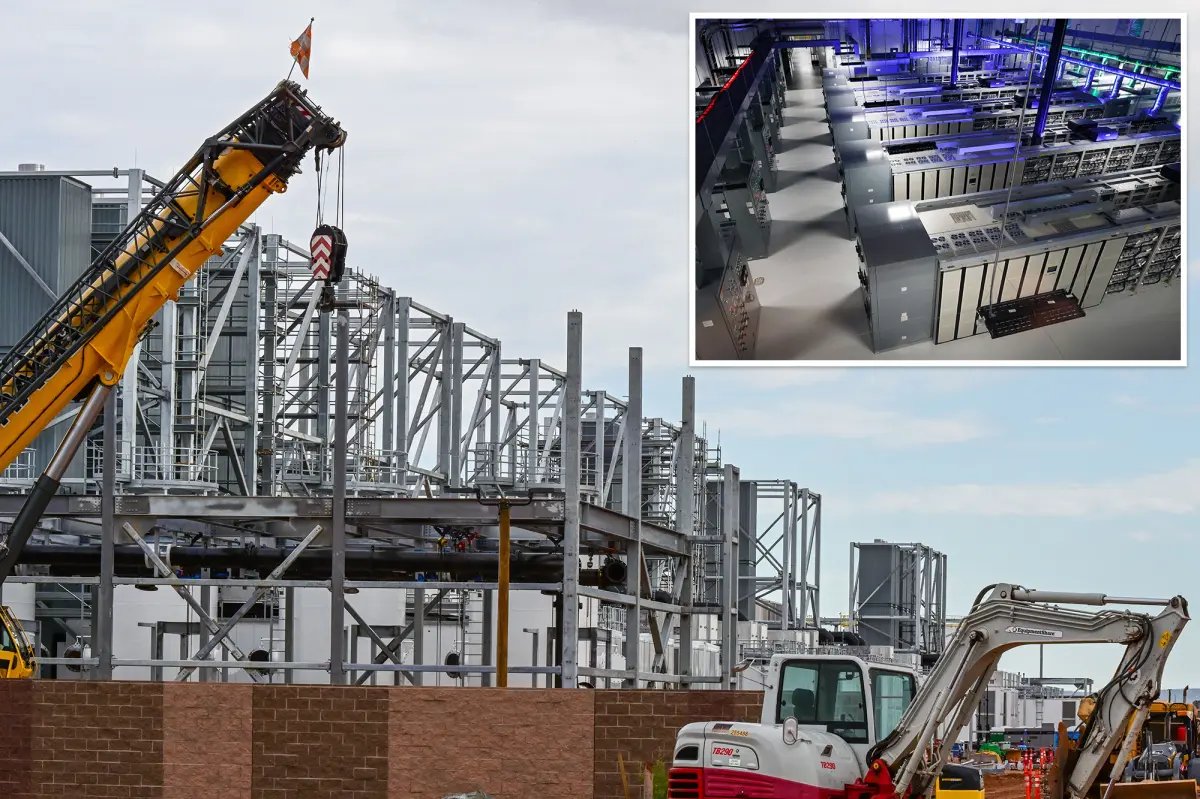
Construction of large data centers in the U.S. is facing significant local resistance, with over 500 jurisdictions halting projects aimed at supporting artificial intelligence (AI) development. In just the past month, more than 150 localities enacted bans, fueled by opposition from residents who express concerns over environmental impacts and energy consumption related to these facilities.
Protests have erupted across the country, from Fredericksburg, Virginia, to Tyler, Texas, as communities voice their dissatisfaction with the aggressive push for AI infrastructure. Surveys indicate that approximately 70% of Americans are opposed to data centers in their neighborhoods, with almost half strongly rejecting such proposals.
Experts, such as Paul Triolo from consulting firm DGA-Albright Stonebridge Group, suggest that this backlash stems from a broader trepidation regarding the rapid introduction of AI technologies. Activists argue that these developments are being imposed on communities without sufficient consideration of their implications.
State-level responses vary, with New York implementing a one-year moratorium on new data centers and Texas pausing project approvals for audits. Meanwhile, developers face mounting challenges, including lawsuits and public opposition, which are significantly delaying construction timelines. Only about 50-60% of planned data center capacity is expected to be operational by 2025 due to these obstacles, despite billions in investment.
While some analysts warn that these restrictions could hinder the U.S.’s competitive edge against countries like China in the AI sector, others believe that specific states, like Texas, may still emerge as favorable environments for data center development due to their resources and regulatory frameworks.
Why this story matters:
- Strong local opposition is shaping the future of AI-related infrastructure in the U.S.
Key takeaway:
- The rapid growth of AI necessitates extensive data center development, but significant public pushback is complicating progress.
Opposing viewpoint:
- While resistance is prevalent, some argue that states like Texas are still conducive for data center expansion, potentially maintaining the U.S.’s competitive advantage in AI.