


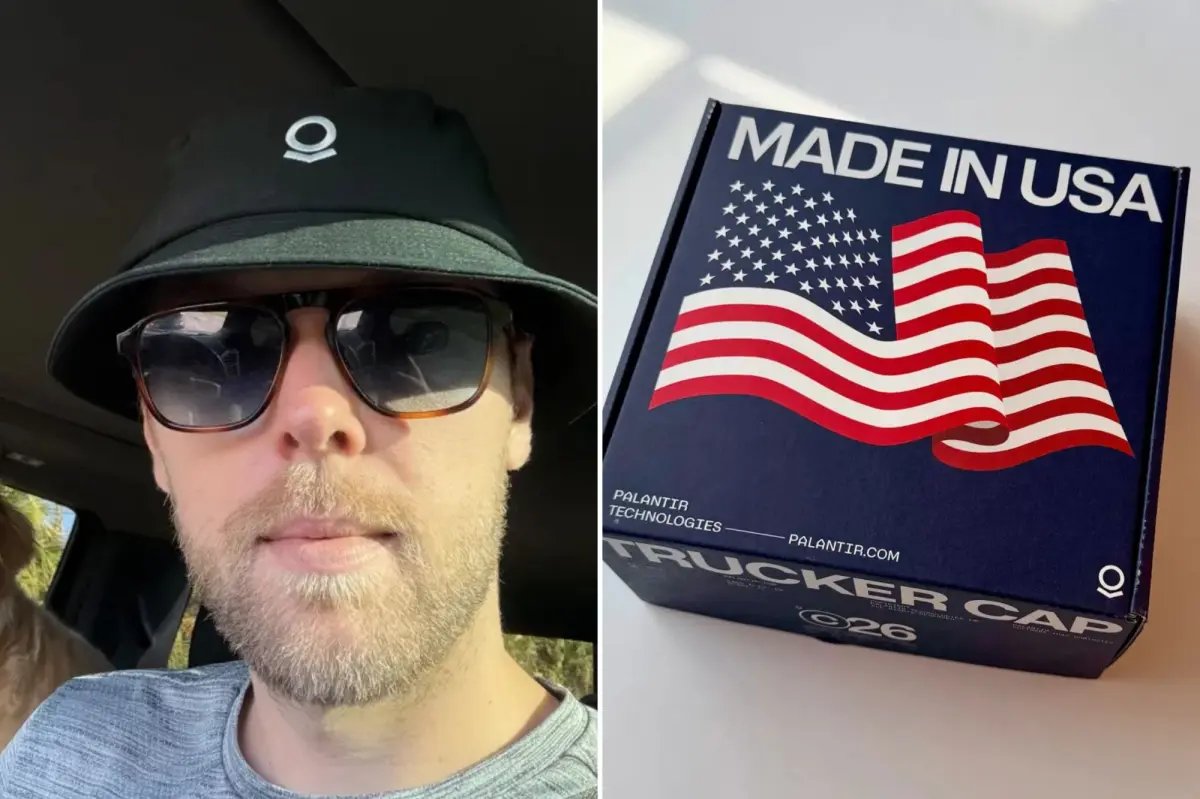
Palantir Technologies, a company known primarily for its work with government contracts, has ventured into a new market—apparel that promotes loyalty to American values, military support, and technological innovation. Since the start of 2024, Palantir has introduced a line of merchandise featuring its distinct chevron logo, including hats, t-shirts, and chore coats. This move has garnered a niche following, particularly among retail investors and individuals expressing pride in American technological efforts and national security.
Customers like Brett Krieger and Jesse Arm have embraced the clothing, perceiving it as a form of patriotism—similar to displaying an American flag. The understated nature of the products, bearing only the logo without the company’s name, allows wearers to subtly signal their affiliations. This exclusivity serves as a conversation starter in social settings.
Launched in a limited-release streetwear style, the merchandise is crafted entirely in the United States and resonated well with fans. Palantir’s products come packaged with attention to detail, enhancing the overall consumer experience. The pricing reflects this premium positioning—items range from $65 hats to $239 chore coats. Despite the higher price point, consumers express a willingness to pay for products that connect them to the company’s mission.
The popularity of this apparel aligns with a broader trend in consumer engagement, where Palantir leverages its leadership’s public stances on various issues, further deepening the connection between the brand and its supporters. The company is set to release additional items, including boxing gloves and commemorative lighter collections, further enhancing its lifestyle brand identity.
Why this story matters: The blending of technology and lifestyle branding offers a unique perspective on consumer engagement in political and social realms.
Key takeaway: Palantir has successfully created a niche market in patriotic apparel, reflecting its technological mission and attracting a dedicated customer base.
Opposing viewpoint: Critics may argue that commercializing national identity could trivialize serious issues related to government and technology.