


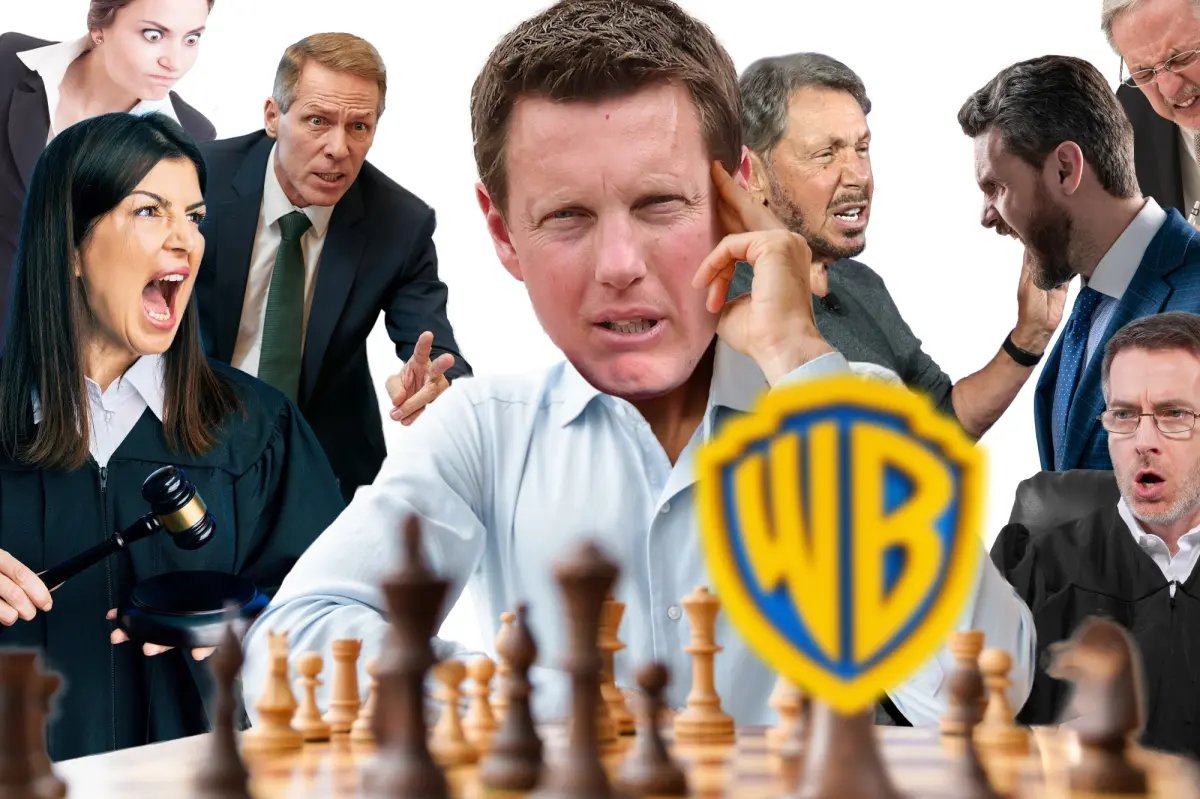
David and Larry Ellison are preparing for a protracted legal battle over their proposed $80 billion merger of Paramount Skydance and Warner Bros. Discovery. The merger faces significant challenges, including a lawsuit from twelve state attorneys general attempting to block the deal, along with a federal judge’s temporary restraining order that has postponed its closure for at least one month.
Insiders suggest that a preliminary injunction could follow, potentially delaying the deal indefinitely and resulting in a lengthy trial. Despite previous successes—such as the takeover of Paramount from the Redstone family—the Ellisons now confront a coalition of Democratic state attorneys general poised to complicate their plans. The judge’s earlier remarks regarding the anticipated market share resulting from the merger add to the uncertainty surrounding its approval.
While there is speculation that the Ellisons may take the fight to the Supreme Court if necessary, the looming legal hurdles could pose financial risks. Shareholders of Warner Bros. Discovery may experience further stock declines due to the ongoing litigation. Although the Ellisons are investing considerable resources into this endeavor, including potential "ticking fees" incurred during delays, they are determined not to abandon the merger, which they believe would create a stronger media entity.
The legal battle also touches on broader themes of market competition and regulatory scrutiny, with critics alleging that two struggling companies could better serve consumers by remaining separate. However, the Ellisons argue that a merger would enhance their competitive position in an increasingly crowded media landscape.
Why this story matters:
- It highlights the complexities and challenges of major media mergers in a changing regulatory environment.
Key takeaway:
- The Ellisons are determined to pursue their merger despite significant legal obstacles and potential financial repercussions.
Opposing viewpoint:
- Critics argue that maintaining separate entities could better protect competition and consumer interests in the media industry.