


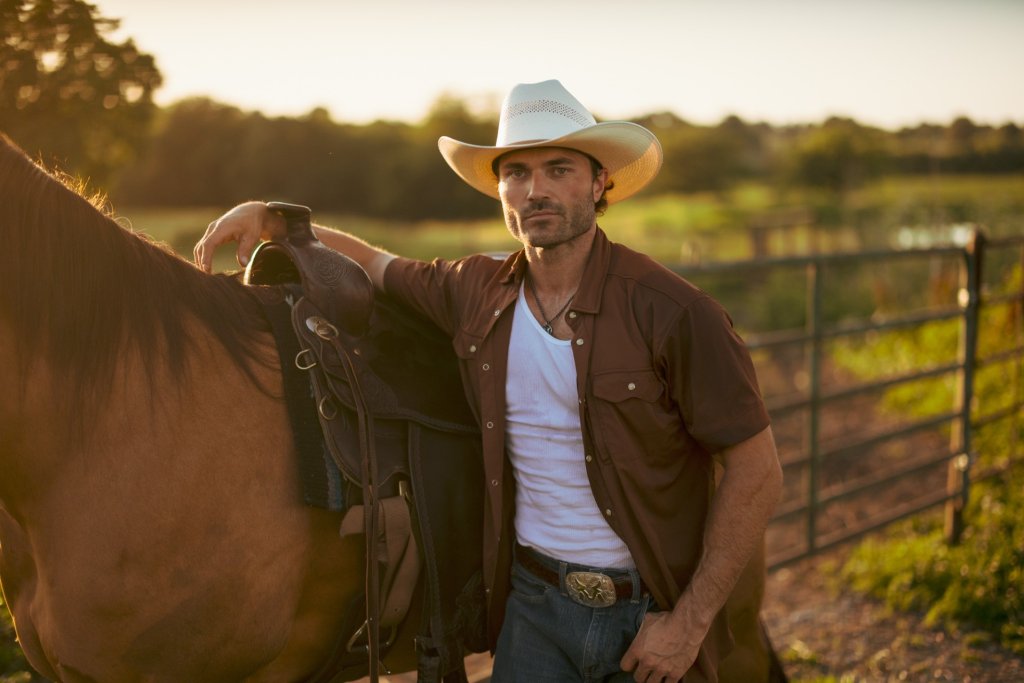
For many ranchers, the most challenging aspect of their work arises after cattle are loaded for transport, as they often lose control over processing and distribution. Steven McBee Jr., a 33-year-old rancher from Gallatin, Missouri, sought to change this narrative by establishing his own business model that allows greater control over the beef production process.
While governmental initiatives have aimed to bolster small and midsize meat processors with a $500 million investment, McBee has focused on mastering the entire supply chain. He explains that the traditional routes for ranchers often result in accepting unfavorable prices. To counter this, McBee and his family, who run McBee Farm & Cattle Co., have taken a different approach. They invested in educational endeavors and embraced entrepreneurship within the agriculture sector.
The family gained visibility through their reality series "The McBee Dynasty: Real American Cowboys," enabling them to share their journey, including obstacles and achievements. A significant part of their strategy involved launching a branded meat snack, which began with an idea in 2017. The company’s first product debuted in 2020, and growth quickly followed, leading to the acquisition of a processing facility in 2023 and a fulfillment center on-site.
With an increasing appetite for meat snacks—reportedly a $4.4 billion market—demand for their products has surged. The family’s operations not only bolster local employment but also engage in community outreach through educational programs for children. Looking forward, McBee aims to introduce a program focused on men’s mental health, demonstrating a commitment to both business and societal well-being.
“I want McBee to be proof that the American family farm isn’t dying. It just needs a different business model,” McBee stated.
Why this story matters:
- Highlights the challenges faced by independent ranchers.
- Demonstrates an innovative approach to sustainable agricultural practices.
Key takeaway:
- Developing direct-to-consumer business models can empower farmers to regain control over their production and profits.
Opposing viewpoint:
- Critics may argue that large processors are essential for efficiency and consistency in meat production.