



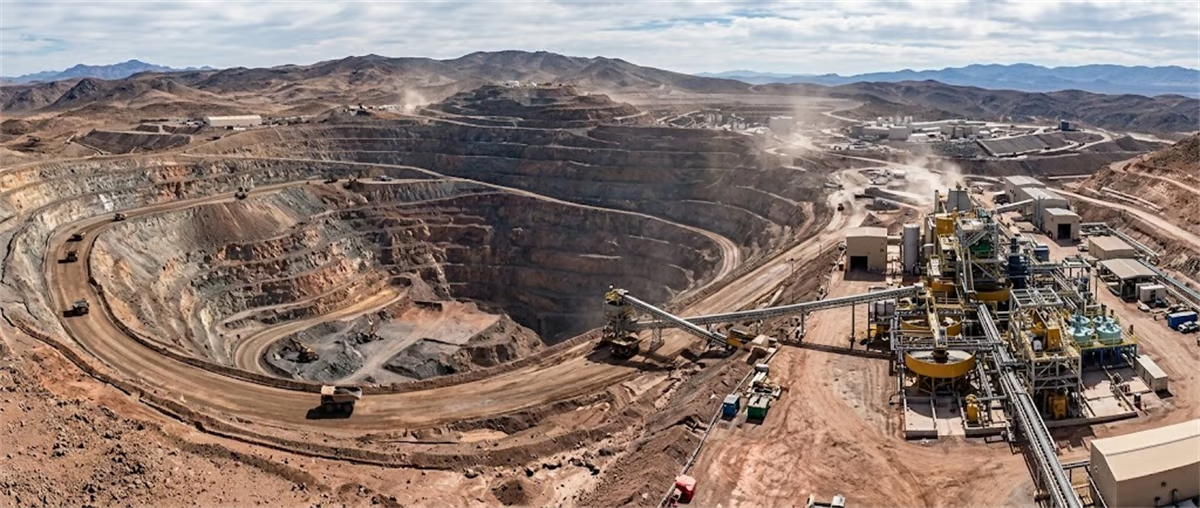
Investing in rare-earth metals is gaining attention due to the essential role these elements play in modern technology. Comprising 17 metallic elements known for their unique magnetic, optical, and conductive properties, rare-earth metals are crucial for various sectors, including defense, artificial intelligence, clean energy, and semiconductors. Contrary to perceptions of scarcity, many countries, including the United States, Australia, and Brazil, possess significant deposits of these materials.
China’s dominance in the rare-earth market is largely attributed to its extensive investment in the midstream processing industry, which began in the 1980s. By prioritizing refining technologies and manufacturing capabilities, China established a competitive edge that other nations, wary of high costs and complex environmental regulations, have struggled to match. The refining process, essential for converting raw materials into usable products, remains a bottleneck in the supply chain.
In response to this challenge, the Trump administration is promoting domestic rare-earth development through federal funding and strategic partnerships aimed at enhancing U.S. refining capacities. Several American companies, including MP Materials and USA Rare Earth, are receiving government support to rebuild a domestic supply chain that has been dormant for over three decades.
Investors remain cautious, acknowledging the inherent risks in this sector while recognizing the potential for long-term gains. Exchange-traded funds (ETFs) like the VanEck Rare Earth and Strategic Metals ETF and the Global X Rare Earth & Critical Materials ETF offer diversified exposure to the market, allowing investors to mitigate risks associated with individual stocks.
Why this story matters:
- Rare-earth metals are critical for technological advancements and national security.
- Understanding the supply chain dynamics can influence investment strategies.
Key takeaway:
- Growth opportunities exist in rare-earth refining, especially with recent U.S. policy shifts aimed at domestic production.
Opposing viewpoint:
- Some investors caution about potential risks and delayed returns in the rare-earth investment landscape.