


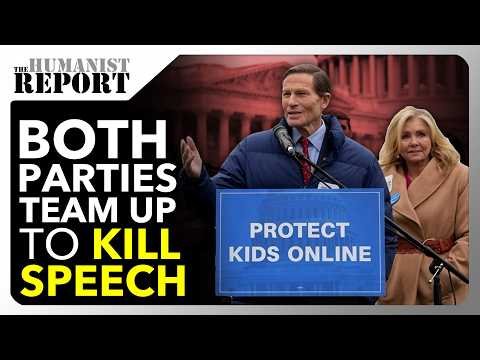
The "Kids Online Safety Act" has re-emerged, garnering support from a bipartisan group of lawmakers. This legislation aims to enhance safety measures for children on the internet by introducing stricter regulations. Advocates argue that it is essential to protect young users from harmful content and ensure a safer online environment.
However, critics have expressed strong concerns about the potential implications of the bill and related internet censorship measures approved by a bipartisan committee. They warn that these regulations could infringe upon free speech and lead to excessive control over online platforms. Specific provisions mentioned include requirements for age verification and restrictions that could be exploited for ideological purposes by various political factions.
The debate surrounding the legislation has intensified as both supporters and opponents present their viewpoints. Proponents highlight the necessity of protecting children from online dangers, while detractors assert that such measures could threaten constitutional rights and free expression on the internet.
Concerns related to the scope and enforcement of these regulations raise questions about their constitutionality, with critics labeling them as potentially overreaching and detrimental to public discourse.
– Why this story matters: The legislation addresses children’s safety online, a crucial issue for parents and educators, amid rising concerns about digital age challenges.
– Key takeaway: The proposed act, while aimed at protecting minors, raises significant debate regarding free speech and potential misuse of authority.
– Opposing viewpoint: Critics argue that the act may lead to unconstitutional censorship and threaten the very freedoms it aims to protect.