


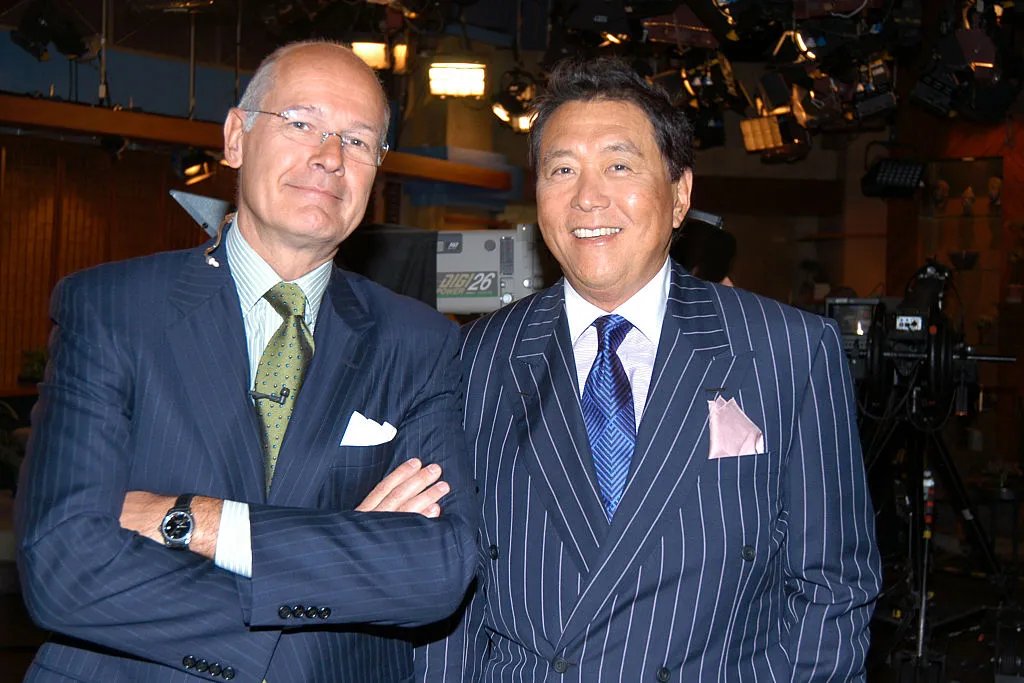
Robert Kiyosaki, author of "Rich Dad Poor Dad," redefines the concept of wealth, arguing that net worth is not the sole indicator of financial stability. Instead, he emphasizes the importance of financial freedom, defined by how long an individual can sustain their lifestyle without active employment. Kiyosaki suggests that a significant factor in achieving this freedom is cash flow, advocating for a focus on passive income.
According to Kiyosaki, wealth is subjective; for some, a $1 million retirement fund may suffice, while for others, it may fall short. He encourages individuals to pursue passive income sources—such as dividend stocks, rental properties, and bonds—rather than relying solely on traditional employment. Furthermore, he posits that establishing a business selling online products can also create sustainable cash flow with minimal ongoing effort.
Kiyosaki critiques traditional retirement planning methods, noting that established rules like the 4% withdrawal strategy may no longer be applicable in today’s financial landscape. Individual circumstances, such as goals, time horizons, and risk tolerances, should guide retirement strategies. He stresses that increasing cash flow can provide more financial flexibility, particularly as inflation erodes purchasing power over time.
For those nearing retirement, Kiyosaki advises that saving without a strategic plan may not suffice. He recommends investing in assets that generate income and appreciate over time to protect against inflation. For easy access to a diversified portfolio, he suggests considering exchange-traded funds (ETFs) that include a mixture of stocks and bonds, including real estate investment trusts (REITs).
Why this story matters:
- Encourages a shift in financial planning from net worth to cash flow for greater financial stability.
Key takeaway:
- Kiyosaki’s approach emphasizes passive income and strategic investments to achieve true financial freedom.
Opposing viewpoint:
- Critics argue that traditional metrics like net worth and the 4% rule still provide valuable guidelines for retirement planning despite changing economic conditions.