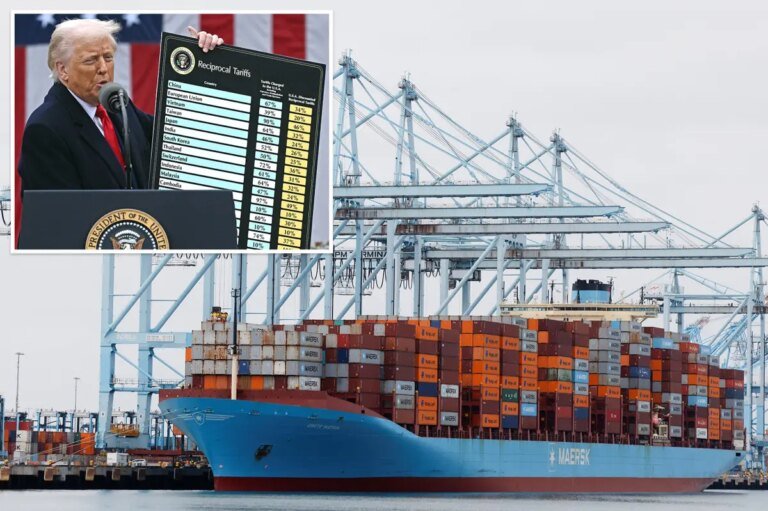




Highly skilled foreign workers in the U.S. are confronting significant challenges as they seek to establish their careers. The pathway to gainful employment often hinges on obtaining an H-1B visa, a program designed for international professionals in sectors like technology and medicine. This visa is awarded through a lottery system allowing companies to hire these skilled workers for up to six years. However, recent policy changes under the Trump administration have complicated matters. New regulations, including higher fees for companies and a focus on hiring higher-paid foreign workers, aim to prioritize American job seekers.
Individuals like Wen-Hsing Huang, who came from Taiwan in 2022 and was hired by Amazon, view the U.S. as a premier opportunity to utilize their talents. Ananya Joshi from India came to pursue a master’s program, motivated by her father’s unfulfilled dream of studying abroad. Haina, a Chinese national, expressed frustration about the increasing difficulty in finding sponsors for H-1B visas, noting that initial interviews often concluded with companies stating they could not sponsor visas.
Job searching under these new conditions has invoked considerable anxiety among these workers, with some like Huang experiencing sleepless nights due to the volatile immigration landscape. Joshi and others have made the difficult decision to seek employment opportunities abroad, with Joshi finding a role in Europe. Huang, after leaving his position, is considering launching his own company in Taiwan, reflecting a growing sentiment that the pathway to success may no longer solely reside in the United States.
Why this story matters
- The H-1B policy changes impact skilled professionals, influencing their career prospects and mental health.
Key takeaway
- Stringent immigration policies and economic uncertainties are prompting foreign talent to explore job opportunities outside the U.S.
Opposing viewpoint
- Supporters of the H-1B program reforms argue that prioritizing American workers is essential for the domestic job market.