


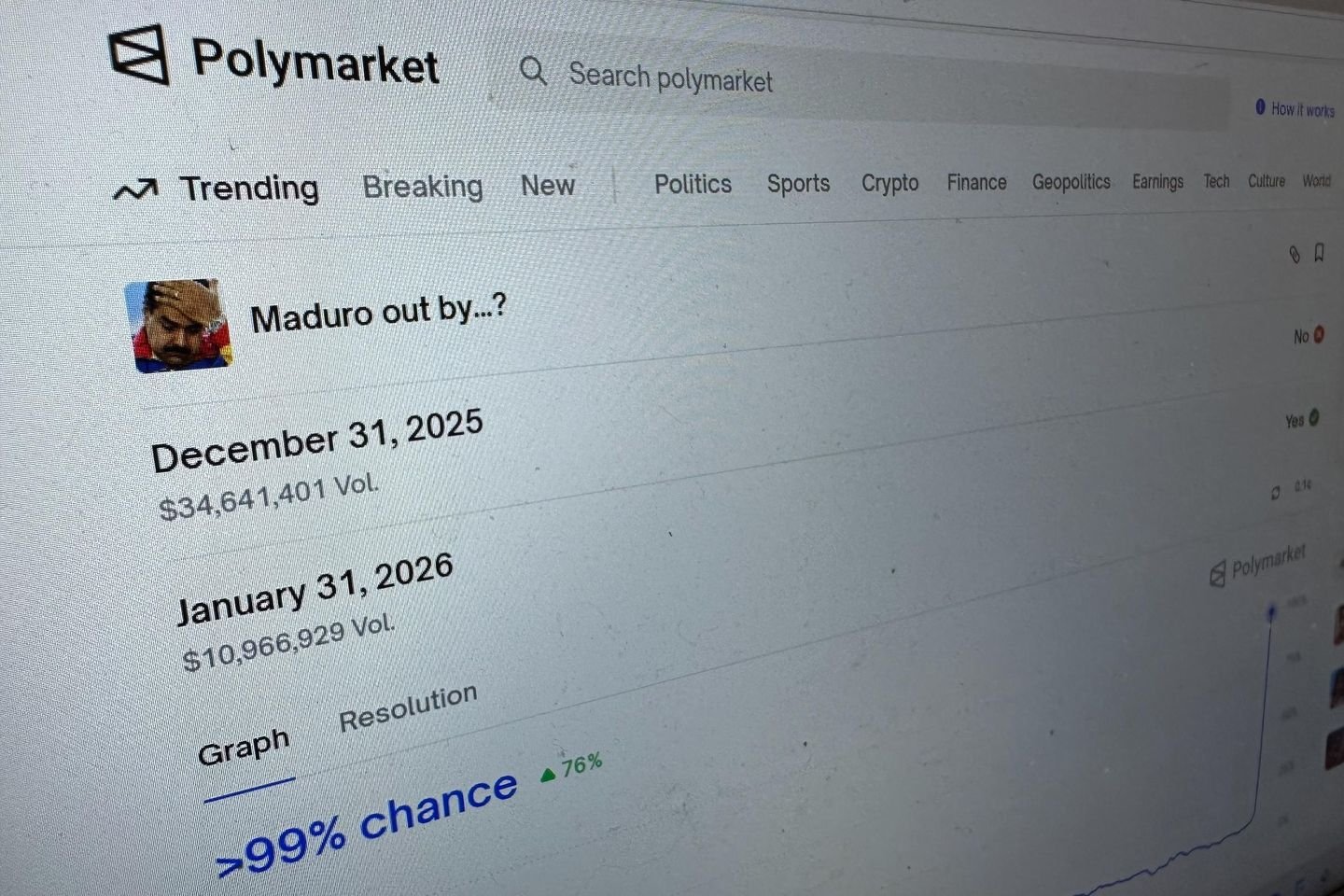
Users on Polymarket, a prediction market platform, profited significantly from forecasts surrounding recent military strikes conducted by the United States and Israel against Iran. Among these users, six individuals accurately anticipated the exact dates of the strikes, showcasing the platform’s potential for financial gains based on political and military developments.
Prediction markets like Polymarket allow participants to buy and sell shares in the outcomes of future events, often reflecting collective insight or sentiment regarding geopolitical issues. The ability to predict such strikes and earn profits raises questions about the intersection of market dynamics and real-world conflicts.
Industry observers note that while the financial implications for users are substantial, the ethical considerations surrounding profiting from global conflicts are complex. Critics argue that it may lead to a commodification of war, suggesting that financial interests could influence public opinion or even policy decisions. Conversely, proponents of prediction markets assert that they enhance transparency and can serve as barometers for public sentiment.
The situation underscores the evolving nature of financial markets in the digital age and their capacity to reflect not just economic trends but also significant global events.
- Why this story matters: It highlights the implications of prediction markets on public perception and financial gain from geopolitical events.
- Key takeaway: The prediction of military strikes on Polymarket illustrates both potential profit and ethical dilemmas in profiting from conflict.
- Opposing viewpoint: Some argue that prediction markets could risk commodifying warfare, influencing public and policy attitudes toward international conflicts.