


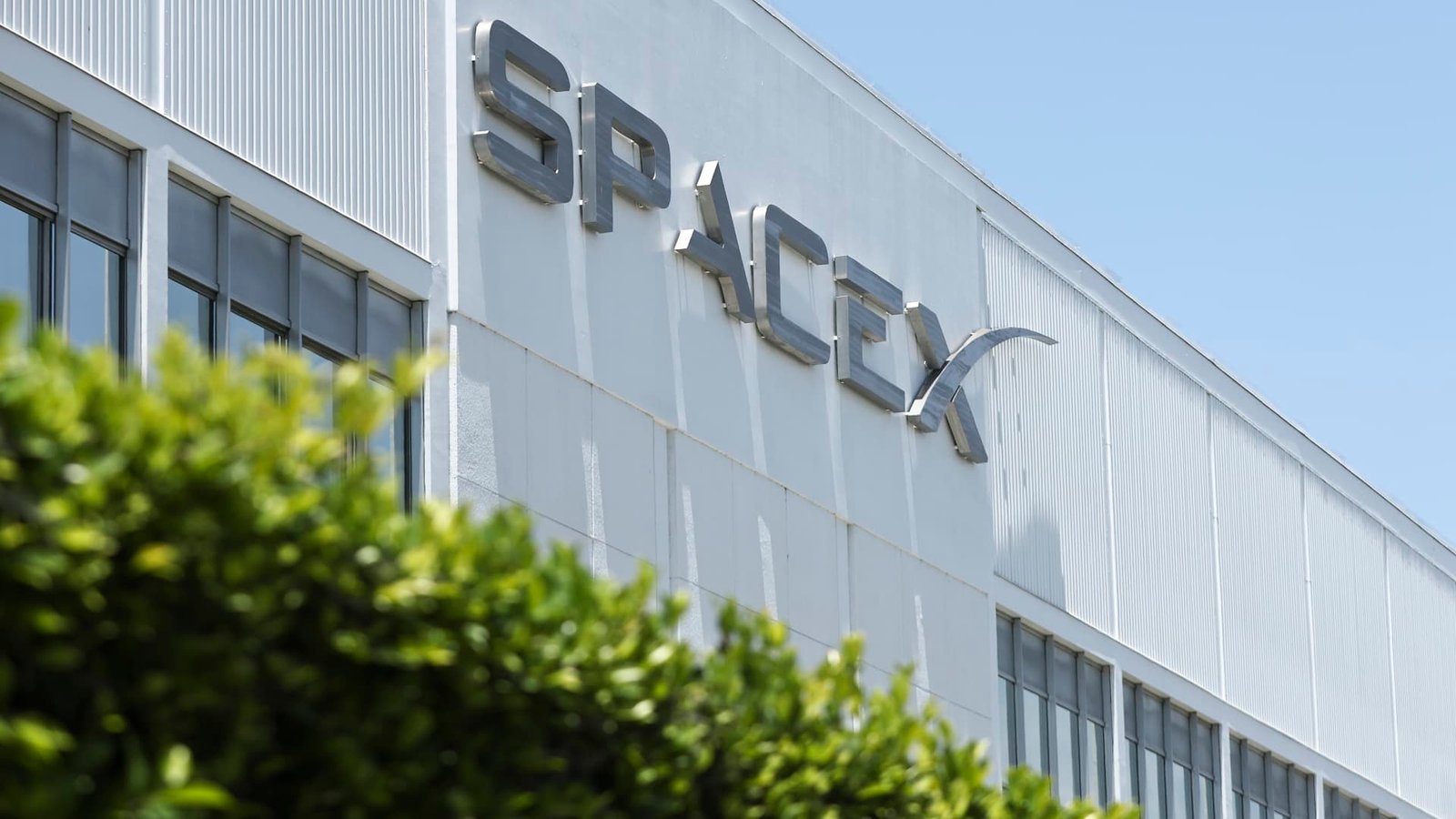
Americans hold a significant amount of their retirement investments in passive S&P 500 Index funds, with Vanguard and BlackRock managing nearly $2 trillion in assets through their S&P 500 ETFs. The Vanguard ETF recently surpassed the $1 trillion mark. However, the inclusion of high-profile IPOs, such as SpaceX, in the S&P 500 is not anticipated for at least one year. The index committee responsible for the S&P 500 has decided to maintain its 12-month waiting period for newly public companies, despite other indexes like Nasdaq and Russell expediting their inclusion rules.
This decision means retail investors looking for exposure to SpaceX—valued at approximately $1.77 trillion post-IPO—will not find it through popular funds like Vanguard’s VOO or BlackRock’s IVV. Instead, they might need to consider alternatives through the Nasdaq 100 or Russell 1000 for direct access. While SpaceX shares began trading on the Nasdaq and initially gained substantial value, the continued waiting period for S&P 500 inclusion is raising concerns among market analysts.
Industry voices such as Todd Sohn of Strategas Securities and Peter Haynes of TD Securities have expressed differing opinions on this decision, highlighting a potential precedent for future IPOs like OpenAI and Anthropic. They suggest that the S&P’s strict profitability test may lead to ongoing performance disparities among major indexes. Concurrently, several thematic ETFs that focus on space and technology have already begun to incorporate SpaceX shares, offering some investment alternatives.
New leveraged ETFs targeting SpaceX, including products from ProShares and GraniteShares, are also set to launch. However, these options come with higher risks and are geared more towards short-term traders than long-term investors.
Why this story matters:
- Highlights the evolving landscape of U.S. market indexes and investment strategies.
Key takeaway:
- SpaceX’s exclusion from the S&P 500 for at least a year creates investment challenges for traditional index fund holders.
Opposing viewpoint:
- Some analysts argue that the S&P 500’s decision may hinder its competitiveness and adaptability compared to global benchmarks.