



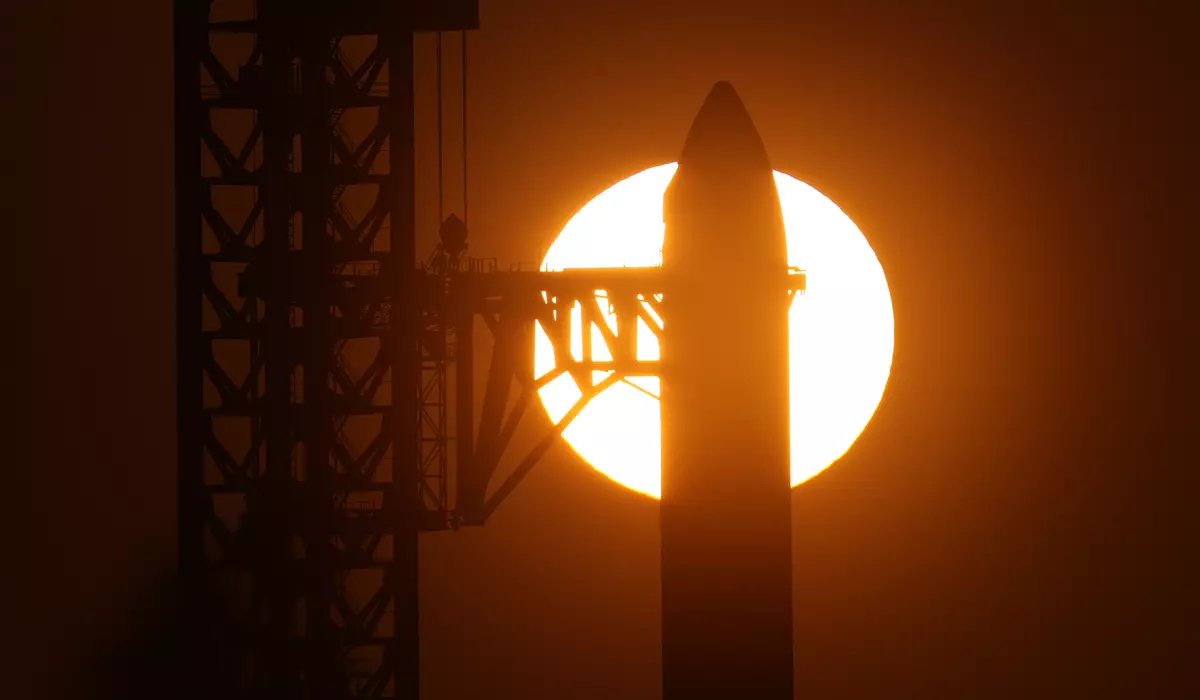
SpaceX successfully launched its most advanced Starship model on a test flight from Texas, signaling progress in its partnership with NASA for the Artemis lunar program. The upgraded rocket, which stands at 407 feet, features enhanced capabilities aimed at facilitating future crewed missions to the Moon and Mars. This launch took place just two days after CEO Elon Musk revealed plans for the company to go public.
The flight carried 20 mock Starlink satellites and follows a series of earlier tests, with this being the twelfth for the rocket designed to transport humans to Mars eventually. Unlike previous launches that ended in explosions, this trial was carried out from a new launch pad and showcased improvements, including larger grid fins for better steering and robust fuel systems.
NASA is currently investing billions in contracts with SpaceX and Blue Origin for the development of lunar landers to support Artemis missions. The current timeline indicates a potential moon landing by 2028, which would mark the first crewed lunar mission since Apollo 17 in 1972.
While SpaceX is making strides, rival company Blue Origin has yet to launch its lunar lander but has plans for a test flight later this year. As competition intensifies, NASA is orchestrating various operational trials, including an upcoming docking exercise set for next year involving its Orion capsule and the Starship or Blue Moon.
Additionally, SpaceX is preparing for private space tourism, with customers reserving seats for future lunar and Mars flights. Recent interest includes businessman Dennis Tito, the first space tourist, and bitcoin investor Chun Wang, who aims to join the maiden interplanetary mission.
Why this story matters:
- It showcases advancements in space exploration technology and competition between aerospace companies.
Key takeaway:
- SpaceX’s recent launch highlights its critical role in NASA’s plans for lunar exploration and beyond.
Opposing viewpoint:
- Some experts express concerns regarding the safety and reliability of the technology, especially with the races to secure lunar landings.