


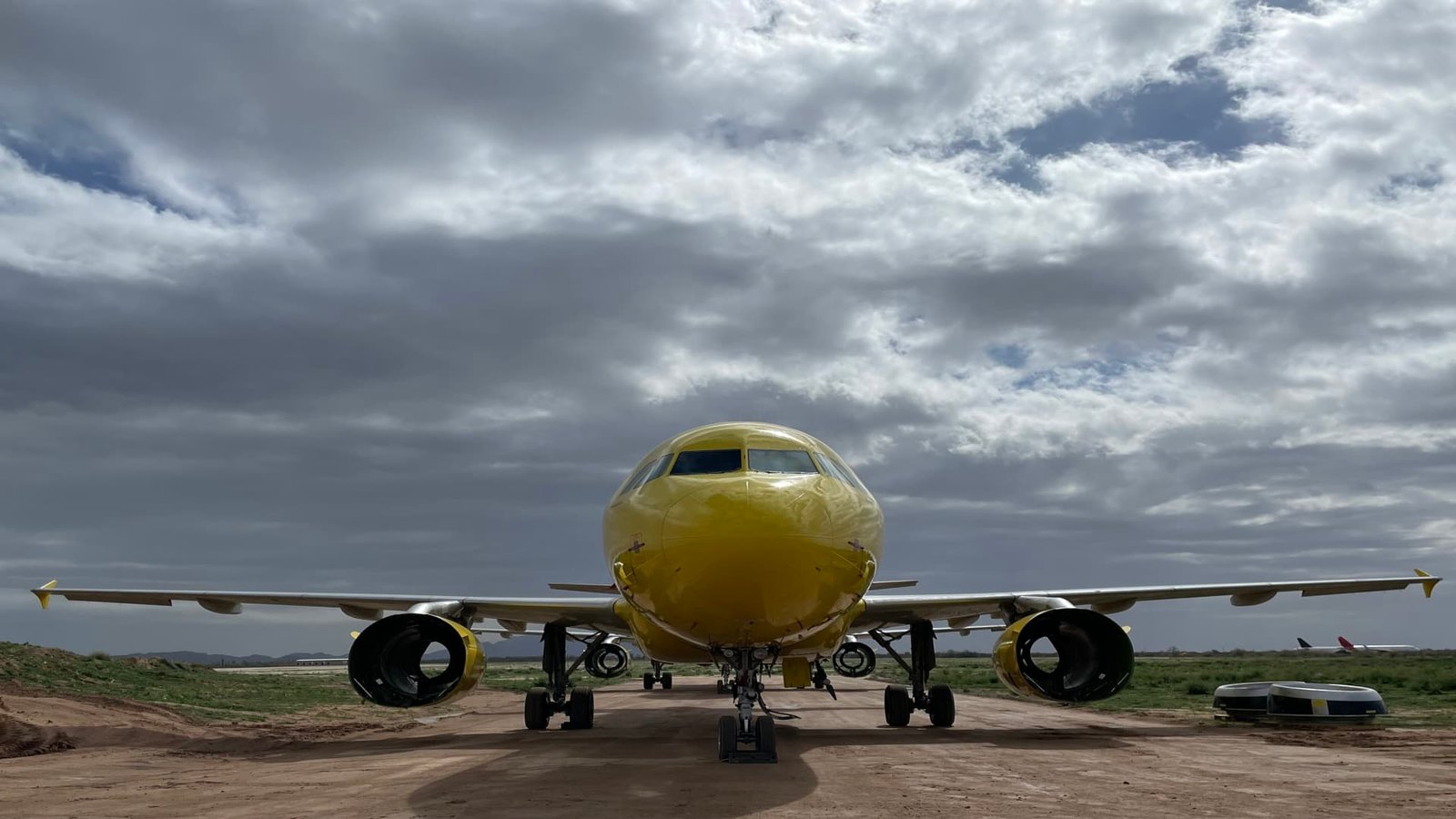
Early on May 2, Spirit Airlines ceased operations, prompting Steve Giordano, managing partner of Nomadic Aviation Group, to initiate the repossession of over 20 Spirit aircraft. Giordano’s team moved swiftly, ferrying 23 Airbus jets from various airports across the nation to storage facilities in the Arizona desert within a week. The shutdown, occurring at 3 a.m. ET, marked one of the most significant airline collapses in recent decades.
Nomadic Aviation specializes in aircraft transportation, often managing the transition of planes to new clients. However, Giordano noted that repossession operations—though infrequent—present unique challenges compared to typical assignments. His team faced the responsibility of ensuring all necessary inspections, fuel arrangements, and crew logistics were in place for the safe ferrying of the planes.
As Spirit Airlines begins to dismantle its operations in bankruptcy court, the return of leased aircraft is a key step in the liquidation process. Of Spirit’s fleet of 114 Airbus A320 jets, 66 were leased. The fate of these planes remains uncertain, but demand for operational engines and aircraft components has increased due to supply chain challenges exacerbated by the COVID-19 pandemic.
Giordano described his experience flying the last Spirit plane from Philadelphia as surreal, recognizing the historic nature of the event. The aircraft will be stored in Arizona, where the dry climate minimizes corrosion damage—a strategy that many airlines used following the sharp decline in travel during the pandemic.
Why this story matters: The collapse of Spirit Airlines highlights vulnerabilities in the aviation sector and necessitates strategic responses from leasing companies and aviation specialists.
Key takeaway: Nomadic Aviation’s swift repossession of Spirit Airlines’ planes underscores the logistical intricacies involved in aircraft management during airline bankruptcies.
Opposing viewpoint: Some may argue that Spirit Airlines’ financial struggles were a result of broader industry challenges rather than mismanagement, calling for a reconsideration of the competitive dynamics in the airline market.