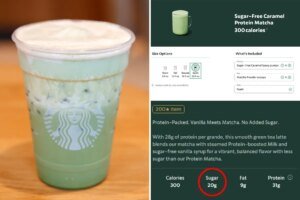


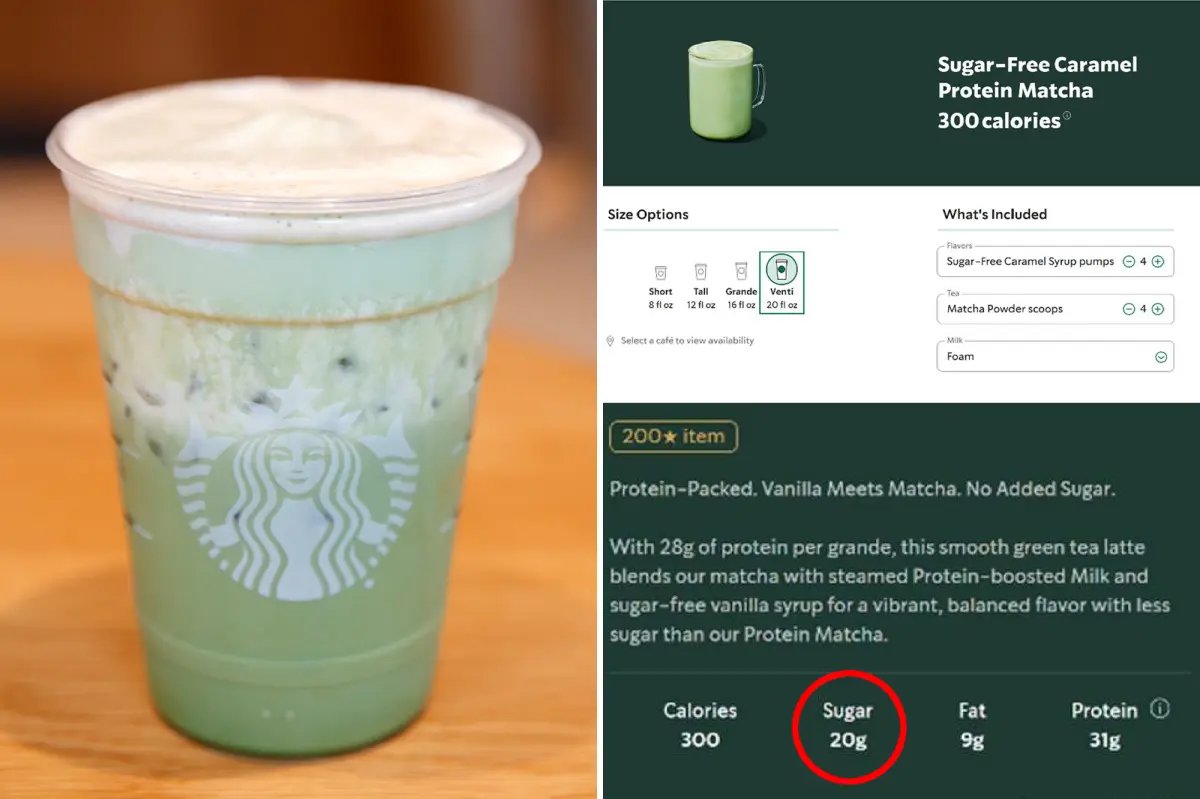
Starbucks is facing a proposed class-action lawsuit over the marketing of eight protein beverages labeled as “Sugar-Free.” The complaint, filed in the U.S. District Court for the Western District of Washington, alleges that these drinks contain 13 to 21 grams of naturally occurring sugar from milk, thus violating federal regulations regarding “sugar-free” labeling.
The plaintiffs argue that while Starbucks provides nutritional information indicating sugar content, the use of “Sugar-Free” in product names is misleading. They emphasize that the case revolves around deceptive labeling rather than a lack of nutritional information. According to the lawsuit, the natural sugar in question is lactose, which is inherent in the milk used in these beverages.
For example, a venti Sugar-Free Caramel Protein Matcha reportedly contains 21 grams of sugar. The lawsuit cites FDA regulations that state a product can only be marketed as “sugar-free” if it contains less than 0.5 grams of sugar per serving. The plaintiffs contend that Starbucks exceeds this threshold with their drinks.
Starbucks disputes these allegations, asserting that their labeling practices meet regulatory standards and that they have transparently communicated nutritional information to consumers. A spokesperson for the company stated, "We believe these claims have no merit" and indicated an intent to vigorously defend against the lawsuit.
Consumers Michael Walsh of California, Anne Legnini of New York, and Elna Potter of Washington have initiated this lawsuit, seeking damages and a ban on such marketing practices unless they comply with federal measures.
Why this story matters
- This lawsuit highlights consumer protection issues related to food labeling and marketing practices.
Key takeaway
- The case centers on the distinction between total sugar and added sugar in the context of federal labeling regulations.
Opposing viewpoint
- Starbucks maintains that its labeling is compliant and clear, emphasizing transparency in nutritional content.