

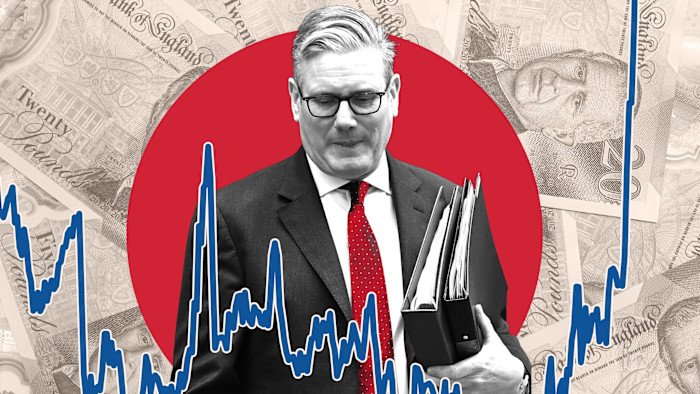
Sir Keir Starmer commenced 2026 with a commitment to directing the resources of Whitehall toward addressing Britain’s escalating cost of living crisis. Strategists from Downing Street anticipated that the Prime Minister’s focus on household financial issues would gain momentum due to potential interest rate cuts and efforts by former President Donald Trump to lower global fuel prices ahead of the U.S. midterm elections. However, this optimism has been significantly undermined by recent U.S.-Israeli military actions against Iran, which have led to a surge in oil and gas prices and diminished expectations for reductions from the Bank of England.
Starmer, alongside Chancellor Rachel Reeves, has proposed various measures intended to alleviate the financial burden on households, including a £150 reduction in annual energy bills. Yet, if the conflict in Iran persists, it could restrict gas supplies from major exporters like Qatar. Analysts have warned that the energy price cap determined by Ofgem may increase by up to £500 by July.
The situation has drawn criticism from various political factions, with voices from the left and right challenging Starmer’s management of the conflict. Recent debates within the National Security Council highlighted disagreements among senior ministers regarding the use of British military bases by the U.S. for strikes in the region. Ultimately, the UK permitted American forces to utilize these bases for operations against Iranian targets.
Against this backdrop, polling indicates limited public support for direct UK involvement in the Iranian conflict, with only 8% of Britons favoring participation. Some Labour members believe Starmer’s cautious approach is appropriate, contrasting with heightened political tensions surrounding the military collaboration with the U.S. and concerns over strategic planning.
Why this story matters
- The interplay between domestic economic policies and international military involvement is crucial as public sentiment may shift based on these factors.
Key takeaway
- Starmer’s handling of the cost of living crisis and foreign policy faces scrutiny amid rising oil prices and geopolitical tensions.
Opposing viewpoint
- Critics from both left and right contend that Starmer’s cautious stance on U.S. military actions compromises Britain’s strategic interests and leadership role.