


Major companies experienced fluctuations in their stock prices following the release of quarterly earnings, reflecting mixed results across various sectors.
International Business Machines (IBM) saw a decline of 6% after it failed to raise its full-year guidance despite reporting first-quarter earnings of $1.91 per share, which surpassed expectations of $1.81. The company also reported $15.92 billion in revenue, exceeding the anticipated $15.62 billion.
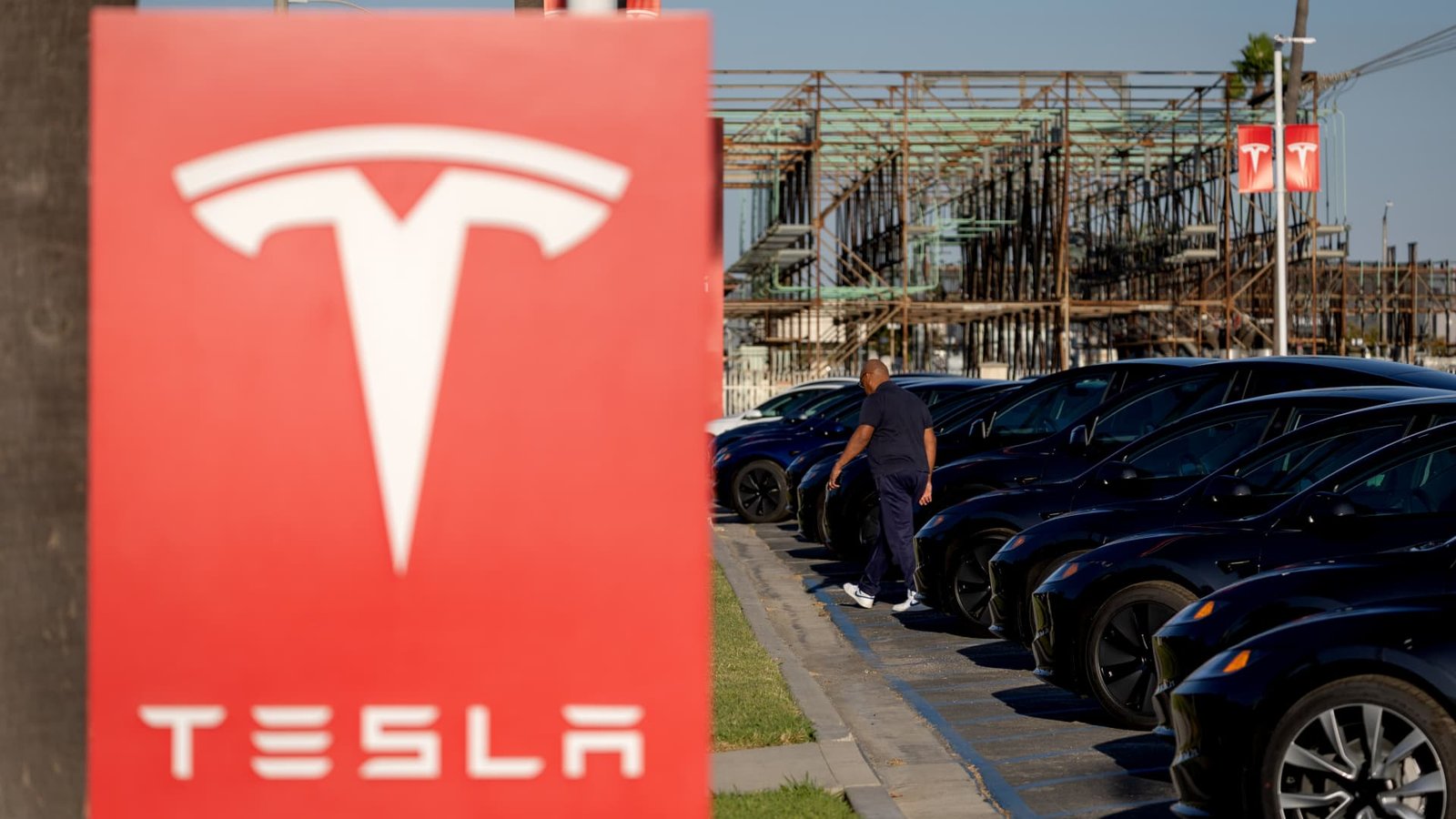
Tesla’s shares dropped over 2% after CEO Elon Musk indicated significant increases in capital spending to support the company’s self-driving and humanoid robot initiatives. While Tesla’s adjusted earnings of 41 cents per share were above the expected 37 cents, its revenue of $22.39 billion was below the consensus estimate of $22.64 billion.
In contrast, CSX, a transportation company, experienced a 6% increase in its stock after it reported earnings of 43 cents per share, surpassing the anticipated 39 cents. However, its revenue of $3.48 billion fell slightly short of the forecast.
Texas Instruments’ stock rose by 10% after it projected current-quarter earnings significantly above analysts’ expectations and beat both revenue and earnings estimates for the first quarter.
Southwest Airlines shares fell 3% following first-quarter results that did not meet market expectations. Conversely, shares of United Rentals surged by over 15% after the company raised its full-year sales forecast, indicating strong momentum as it approaches peak season.
ServiceNow reported strong results, yet its shares fell more than 13% due to concerns over the integration of a recent acquisition, while Lam Research’s stock rose after exceeding earnings expectations.
Why this story matters:
- Earnings reports can significantly impact stock performance and investor sentiment.
Key takeaway:
- While several companies exceeded earnings expectations, others struggled, revealing a mixed economic outlook.
Opposing viewpoint:
- Some analysts suggest that short-term fluctuations may not reflect the long-term viability of these companies.