



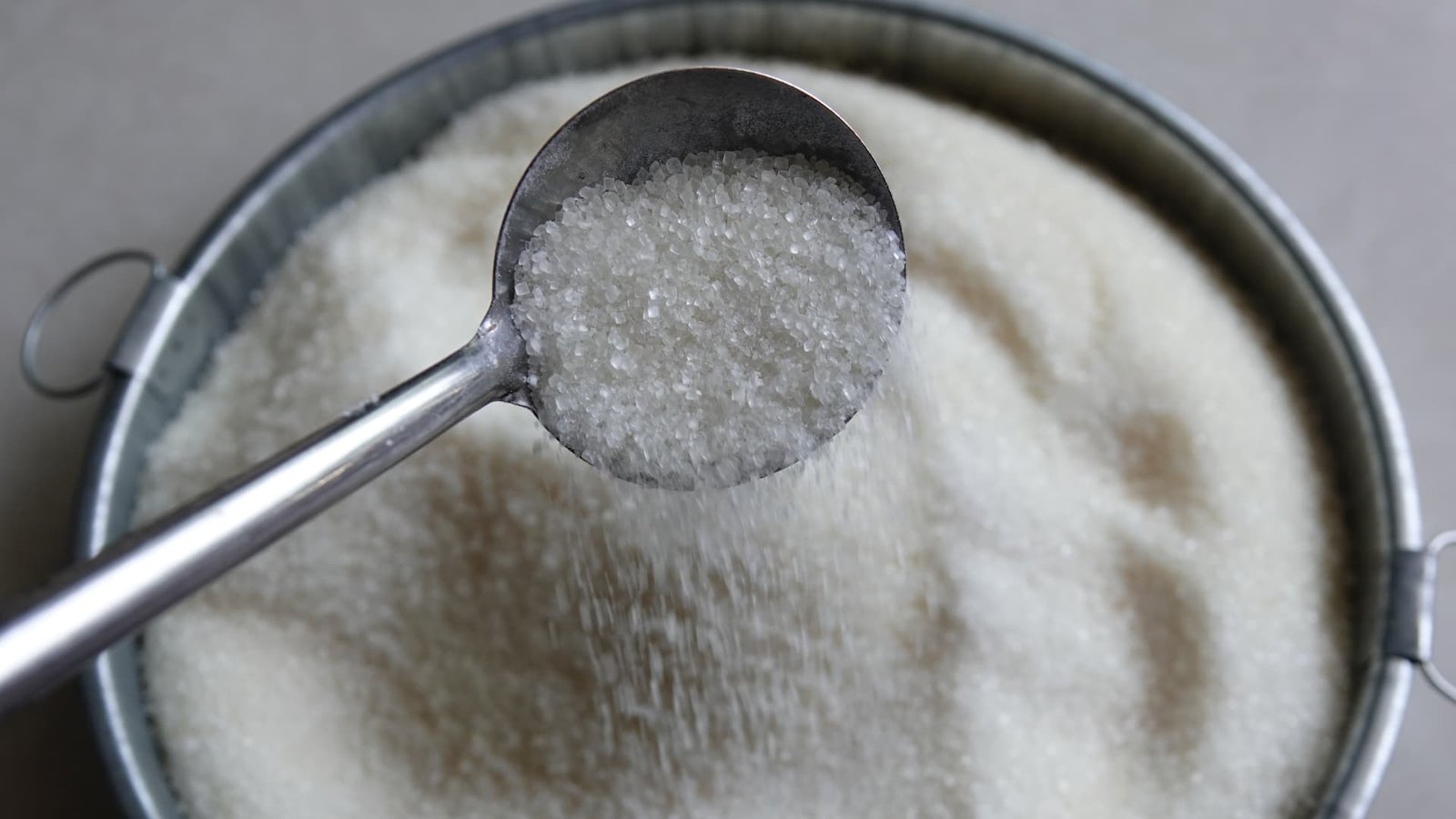
Sugar prices experienced a significant increase of 21.5% in August, marking the strongest monthly gain since October 2010. The rise in prices has been attributed to various factors, including adverse weather conditions affecting sugar beet yields in the European Union, concerns about El Niño impacting production in Asia, and a decrease in sugar production in Brazil. The United Nations’ Food and Agriculture Organization (FAO) reported that these elements collectively drive the market’s price surge.
The FAO’s Food Price Index rose in August, primarily due to sugar, with futures outperforming the S&P 500 on a year-to-date basis. Analysts note a notable decline in sugar production estimates, with the European Commission predicting a 19% reduction in EU output for the 2026/27 marketing year. Additionally, Citi analysts projected a global sugar deficit of 1.3 million metric tons, while Green Pool Commodity Specialists estimated a higher deficit of 3.2 million metric tons.
El Niño poses further risks, potentially leading to extreme weather conditions that could adversely affect Brazil, India, and Thailand, which together account for about 70% of global sugar exports. Goldman Sachs indicated that such weather events could result in reduced cane yields and increased production challenges.
In Brazil, rising energy prices have made ethanol production more appealing, leading to lower sugar availability for export. Brazil typically adjusts its production focus between sugar and ethanol based on market conditions. Meanwhile, India has authorized duty-free imports of raw sugar for the first time since 2017-2018, aiming to address domestic supply issues amid rising prices.
Why this story matters:
- Fluctuating sugar prices can significantly impact global food costs and economies.
Key takeaway:
- Adverse weather and market dynamics are driving sugar prices up, with potential implications for global supply.
Opposing viewpoint:
- Some analysts believe that improved weather conditions could quickly stabilize sugar production and prices.