


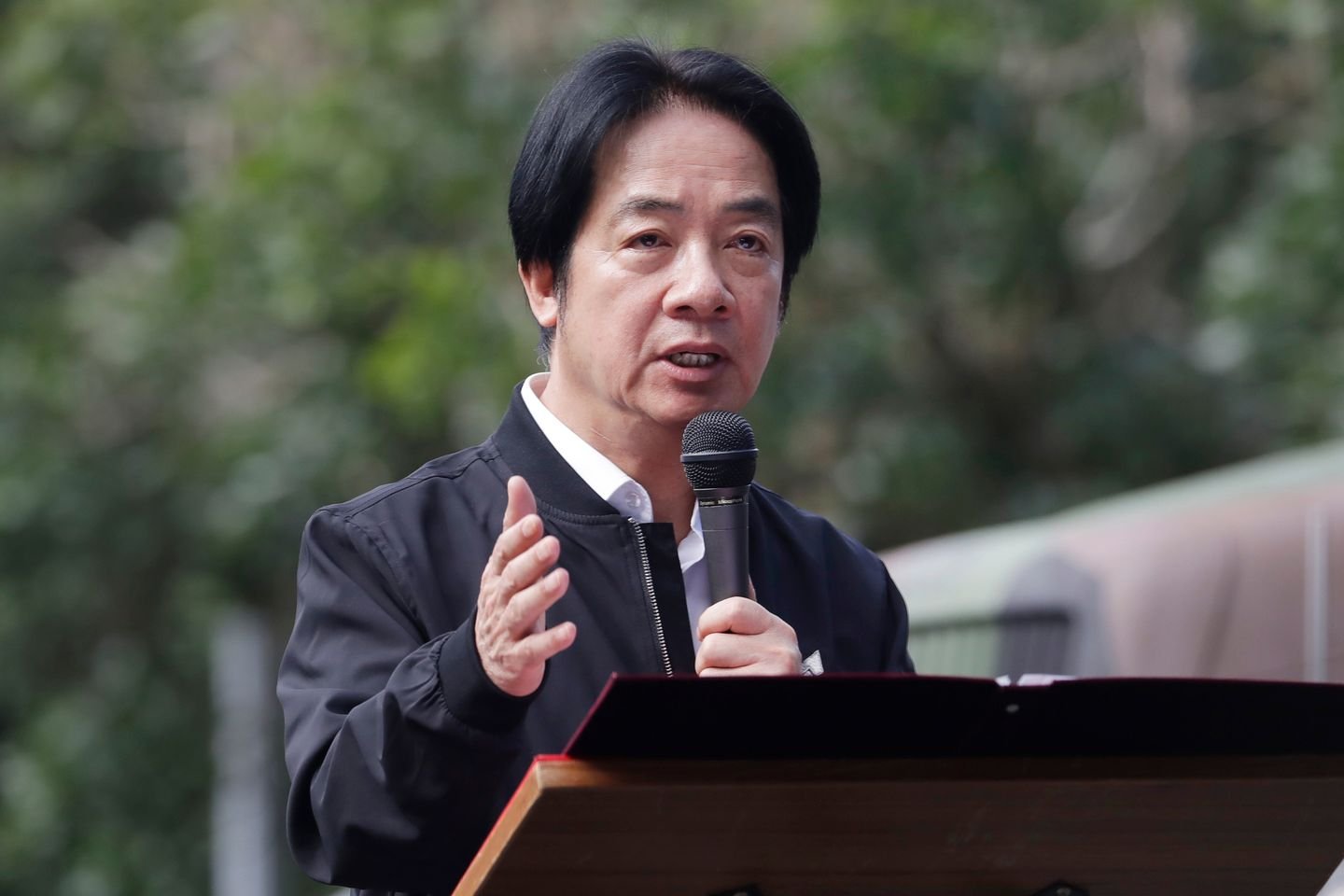
Taiwan’s President Lai Ching-te visited Eswatini on Saturday, following a delay in his travel plans. This delay was attributed to several nations withdrawing their permission for his passage due to reported pressure from China. The trip underscores Taiwan’s ongoing diplomatic efforts in Africa, despite challenges posed by Beijing’s influence on nations in the region.
Lai’s visit marks a significant moment for Taiwan, as it seeks to strengthen ties with one of its few remaining diplomatic allies. Eswatini is notable for being one of the only countries in Africa to maintain formal relations with Taiwan amidst the increasing diplomatic isolation precipitated by China’s expanding influence.
The visit comes at a time when Taiwan is navigating complex geopolitical waters, attempting to assert its presence on the global stage while countering external pressures from China. Lai’s itinerary includes discussions on enhancing bilateral cooperation and exploring avenues for economic collaboration, reflecting Taiwan’s commitment to fostering solidarity with its allies.
This situation highlights the intricate balance of international relations in the region, as Taiwan strives to maintain its diplomatic partnerships against a backdrop of intensifying Chinese assertiveness.
Why this story matters
- The visit symbolizes Taiwan’s persistent efforts to maintain diplomatic relations despite external pressures.
Key takeaway
- Lai’s trip to Eswatini highlights Taiwan’s commitment to fostering alliances in Africa.
Opposing viewpoint
- Critics argue that Taiwan’s diplomatic isolation is increasing as countries may align more closely with China.