



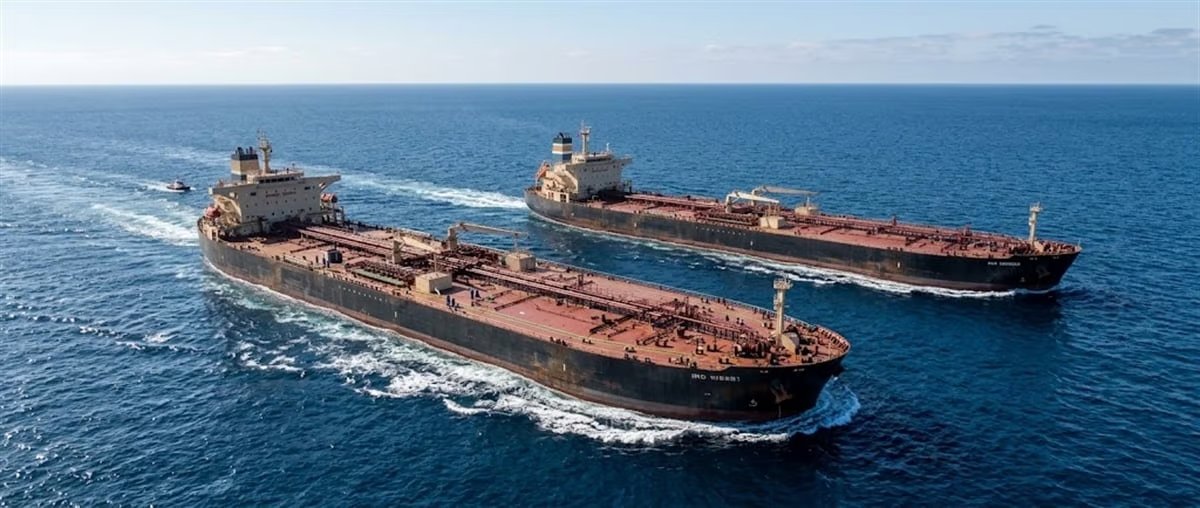
The ongoing conflict in Iran is reshaping the dynamics of the oil shipping market, predominantly benefiting tanker companies, specifically those operating Very Large Crude Carriers (VLCCs). Each VLCC is capable of transporting approximately 2 million barrels of crude oil per journey. Prior to the outbreak of hostilities, the Strait of Hormuz typically accommodated over 100 VLCCs daily; however, these "normal" operations are now disrupted.
Recent developments include U.S. military actions targeting Iranian facilities, with significant escalations occurring from July 8 to July 15. This volatility has prompted a response from shipping firms, as unpredictable conditions allow them to command higher rates due to the risky environment. Rates, determined by the distance traveled and cargo volume, have notably increased in response to rerouted shipping paths. This has led some operators to reroute around the Cape of Good Hope, raising costs by 30% to 50%, which have not yet returned to March’s peaks but remain elevated.
Among the leading players in this sector, Frontline PLC and DHT Holdings are notable for their significant fleets and favorable financials. Frontline, owning a diverse array of vessels, reported a 67% year-over-year revenue rise in its latest earnings report. Meanwhile, DHT Holdings has demonstrated robust performance, achieving nearly 135% revenue growth despite operational challenges. However, the sustainability of their high dividend yields raises concerns among investors.
Investors in the the tanker market may find opportunities amid the ongoing geopolitical turmoil, but must also observe potential risks associated with high dividend payouts and market volatility as the situation evolves.
Why this story matters: The shifting landscape of oil shipping significantly impacts energy markets and investor strategies.
Key takeaway: VLCC operators are thriving amid geopolitical unrest, benefiting from increased shipping rates and elevated demand.
Opposing viewpoint: High dividend yields, while attractive, pose risks for investors given their sustainability amidst fluctuating revenues.