


The U.S. government anticipates significant challenges in processing tariff refund requests following a Supreme Court ruling that invalidated a substantial portion of President Trump’s tariffs. A recent court filing indicates that the government’s new online system will initially only accommodate about 63% of the approximately 53 million claims, leaving roughly one-third of the refund requests, valued at around $55 billion, unresolved at launch.
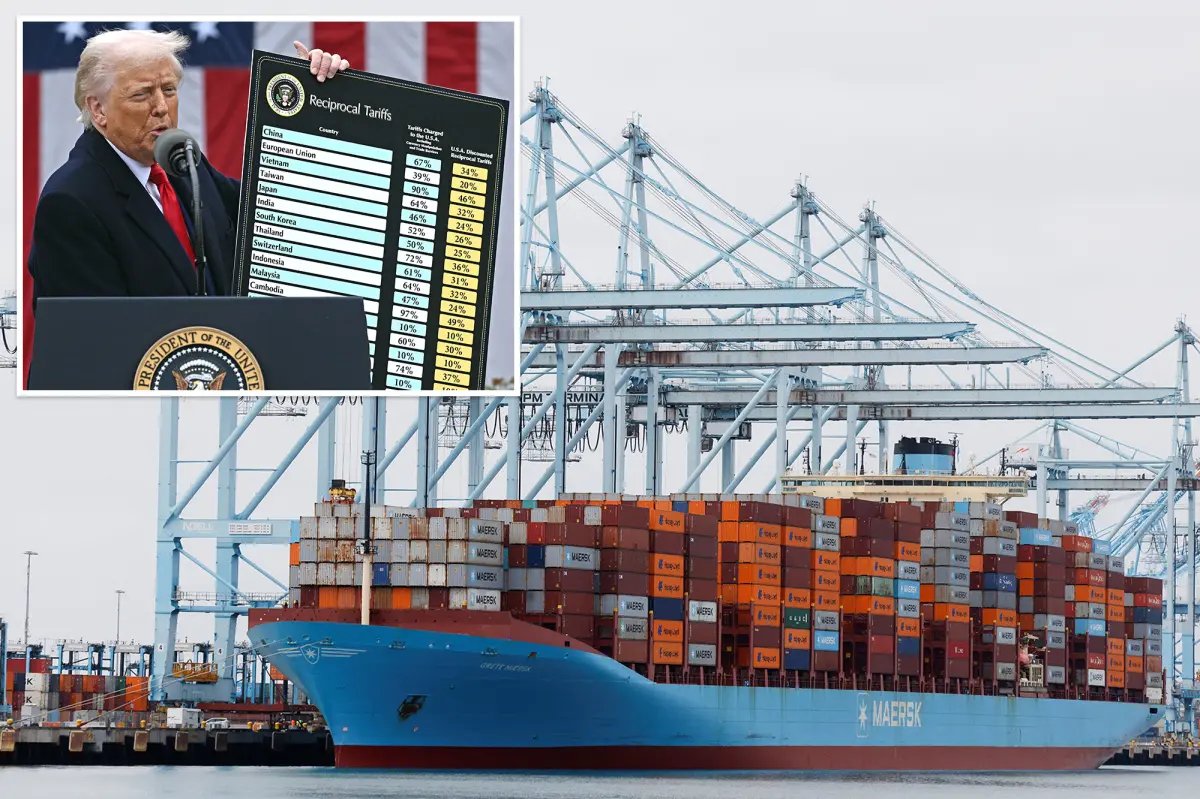
In February, the Supreme Court ruled that certain tariffs imposed by the Trump administration under the International Emergency Economic Powers Act were beyond presidential authority. This decision necessitated the establishment of a refund portal, which is set to go live by mid-April, although initial capabilities will focus only on duties that have not yet been finalized, typically applicable to imports made within the last year.
As of this week, the refund portal is around 85% complete, with additional system components between 60% and 80% finished. The review and processing of refunds are expected to take up to 45 days after implementation. Importers have already lined up to reclaim $120 billion in refunds, while the government has promised to pay interest on these refunds.
The Supreme Court’s decision has left the former administration liable for tens of billions in reimbursements to importers affected by tariffs that included a 10% baseline tax and additional duties of varying rates on imports from several countries. The new administration has since replaced some of the overturned tariffs with alternative import taxes and is pursuing further trade investigations.
Why this story matters:
- The inability to process all requests may lead to significant financial implications for importers and the government.
Key takeaway:
- The online portal for tariff refunds will launch with limited capacity, significantly affecting the processing of refund claims.
Opposing viewpoint:
- Critics argue that the Supreme Court’s decision, while intended to correct legal overreach, could economically harm businesses reliant on those tariffs.