


Since the onset of the war with Iran in February, global oil consumption has outstripped production, leading to significant concerns about future shortages. While reserves had initially cushioned the impact, U.S. commercial oil inventories are nearing depletion, and the Strategic Petroleum Reserve (SPR) has fallen to its lowest level since 1983, currently under 300 million barrels.
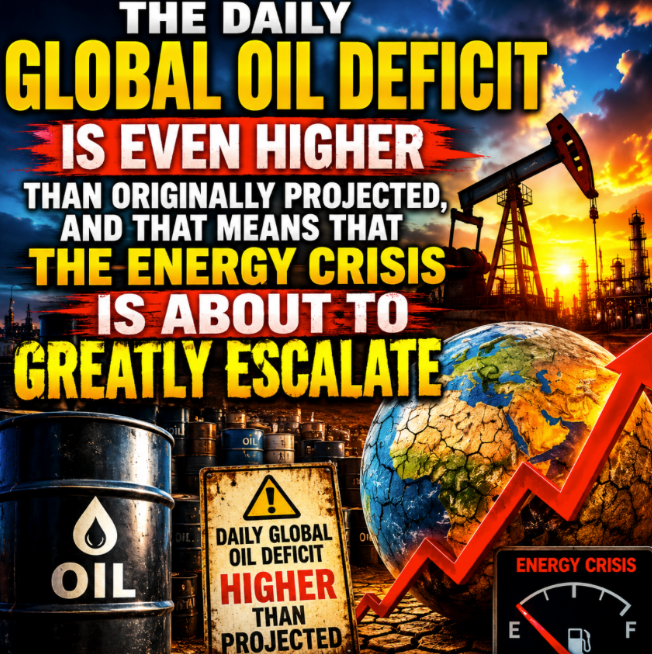
The International Energy Agency (IEA) has significantly revised its forecasts, projecting a global oil supply decrease of approximately 4.3 million barrels per day for the year, more than originally anticipated. They now predict a deficit of about 1.8 million barrels per day in the third quarter, a stark increase from previous estimates. The rise in fuel prices, exacerbated by hostilities in the Middle East, has also dampened consumption, contributing to these alarming supply-demand dynamics.
Disruptions such as the shutdown of the Strait of Hormuz, U.S. sanctions on Iranian exports, and reduced output from other regions have compounded the crisis. With only about 40 days of usable oil remaining in the reserves, rising diesel prices have already begun to impact essential sectors, particularly agriculture.
Experts warn that a prolonged energy crisis could lead to severe economic ramifications, including heightened unemployment and inflation rates. As geopolitical tensions persist and shipping through vital waterways remains precarious, immediate resolutions seem unlikely. The reliance on cheap energy, now threatened, raises profound concerns about the future of global economies.
Why this story matters
- The global economy is heavily dependent on oil, making supply disruptions critical.
Key takeaway
- Current oil supply levels are dangerously low, signaling potential shortages and economic instability.
Opposing viewpoint
- Some argue that alternative energy sources and improved efficiency could mitigate the crisis.