


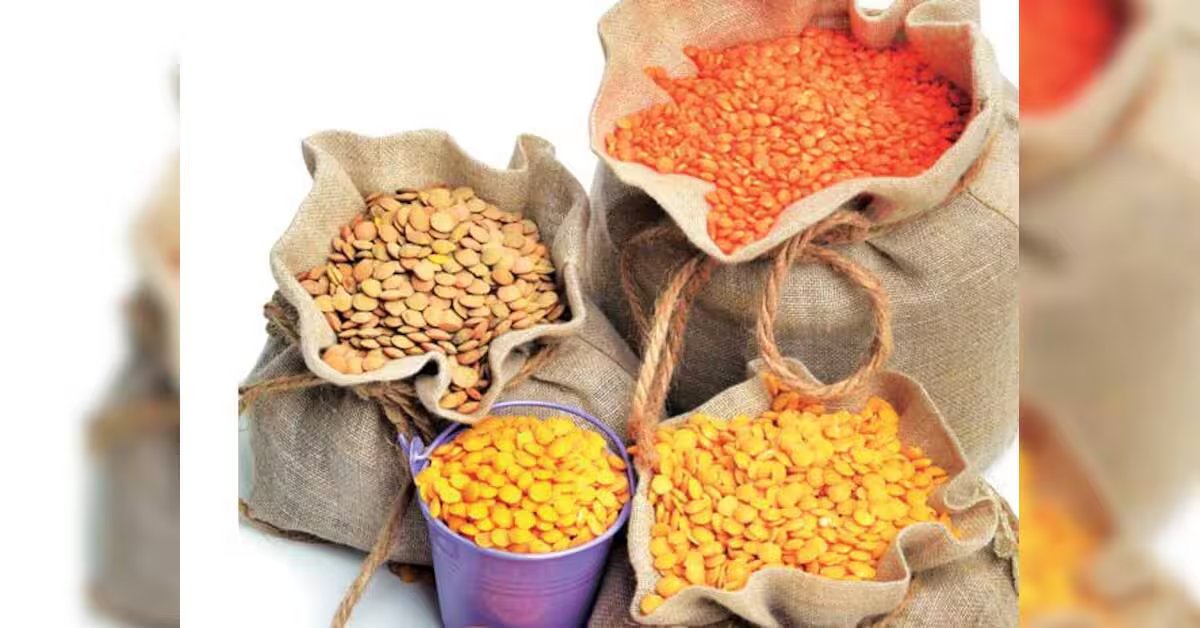
Underutilized legumes such as Moth bean, Lathyrus, Horse gram, Faba bean, Rice bean, and Adzuki bean have significant potential for improving nutritional security but are largely overlooked in agricultural practices. These crops, often classified as "orphan crops," are primarily cultivated in limited regions for local consumption without sufficient research to enhance their productivity or market appeal.
Currently, the majority of the pulses sector is dominated by five main legumes, which account for 90% of production and consumption. The remaining 10% is divided among a few other varieties. Harnessing the potential of the lesser-known pulses could decrease the country’s reliance on imports, which stood at approximately 7 million tonnes in 2024-25.
These underutilized pulses thrive on poor-quality soils unsuitable for major commercial crops, providing a vital resource for replenishing degraded lands, which total over 98 million hectares in India. Additionally, they require minimal investment and can support the livelihoods of resource-poor farmers. Moreover, these crops possess valuable genetic traits that may contribute to climate resilience and pest resistance in future farming endeavors.
Nutritionally, these legumes are rich in dietary fiber and bioactive compounds, potentially addressing rising health concerns related to lifestyle diseases. Simple processing methods, such as soaking or sprouting, can improve their cooking time and digestibility, enhancing their appeal as nutritious food options.
As part of the Mission for Aatmanirbharta in Pulses, initiated to achieve self-sufficiency in pulses by 2030-31, there is an urgent need to develop strategies that integrate these underexploited crops into mainstream agriculture.
Why this story matters: The potential of underutilized pulses can improve food security and nutritional health.
Key takeaway: Exploring and enhancing lesser-known legumes can reduce import dependency and support local farmers.
Opposing viewpoint: Concerns exist over the safety of certain pulses, such as Khesari dal, due to associated health risks.