


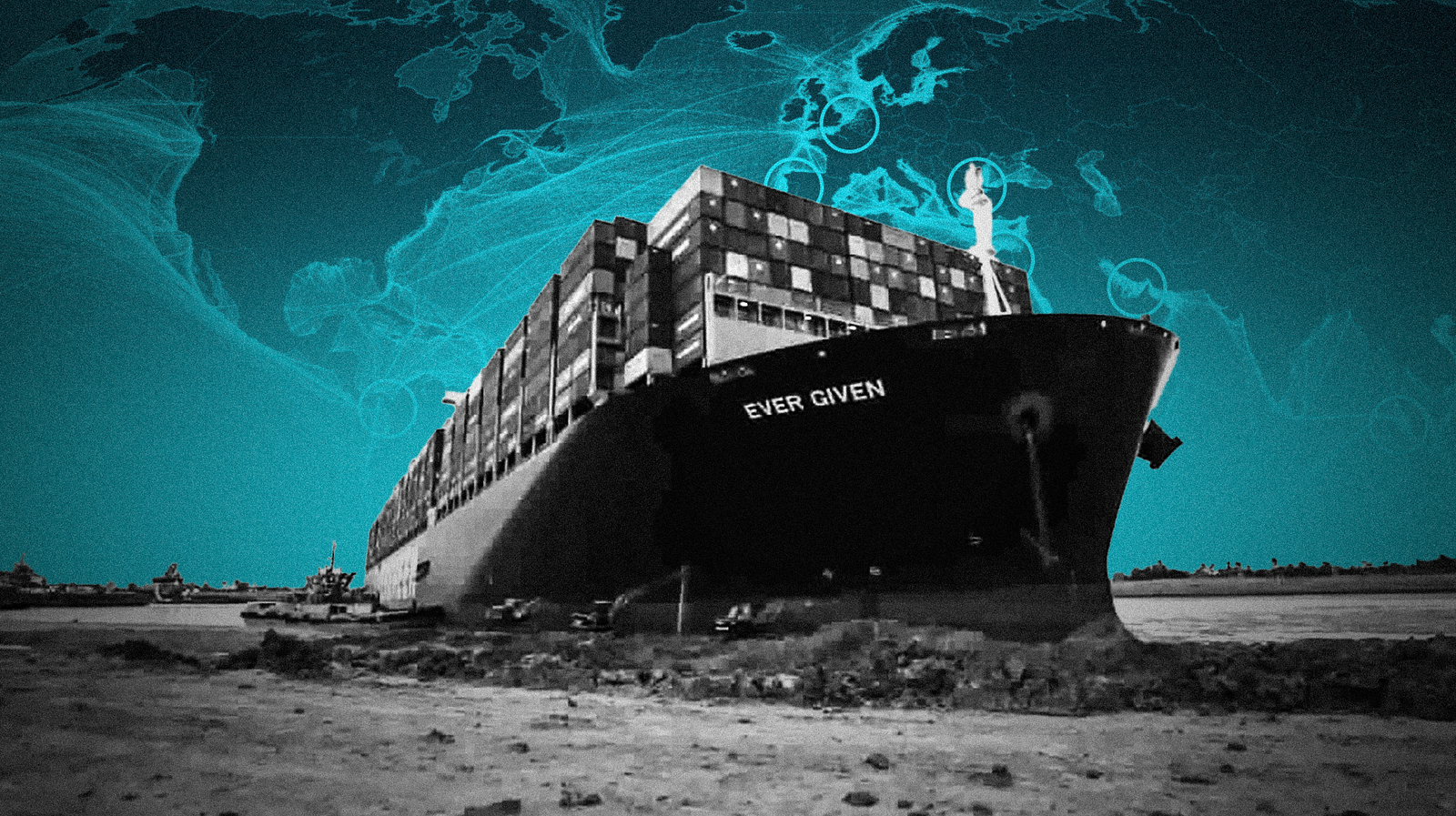
The effective closure of the Strait of Hormuz has significantly impacted global shipping routes, leading to a sharp decline in vessel traffic to hundreds, compared to thousands prior to March 5. This disruption has triggered a global crisis reminiscent of the COVID-19 pandemic, according to experts such as Rystad’s Abramov. Prices for gasoline and diesel have surged, while supplies of jet fuel and fertilizers are diminishing, which is expected to contribute to rising food prices. Industry observers are cautioning that if the situation continues, it may result in fuel rationing and potential industrial shutdowns, prompting policymakers to speculate about an impending recession and the specter of stagflation.
As the situation persists, companies have been exploring alternative transportation methods to mitigate the crisis. For instance, the Danish logistics group DSV is rerouting cargo through Saudi Arabia and Turkey. Jens Lund, the company’s leader, highlighted the critical nature of their operations: “If you can’t get cargo in, the people there can’t eat.” However, trucking can only supplement a fraction of the capacity typically offered by container ships, and challenges related to border crossings and terrain may further delay transit.
Amid these developments, Western nations have grown increasingly concerned about control over key maritime routes. Former President Trump has focused attention on the Panama Canal, accusing China of seeking dominance over it. Following Panama’s recent annulment of contracts with a Chinese conglomerate, tensions have heightened. China has responded, asserting that inspections of Panamanian-flagged ships align with its legal obligations, while analysts speculate that Beijing may accelerate plans for a rival canal in Nicaragua.
Why this story matters:
- The closure of the Strait of Hormuz poses significant risks to the global economy, affecting multiple industries.
Key takeaway:
- Companies are adapting operations in response to shipping disruptions, yet alternative solutions may fall short of meeting demand.
Opposing viewpoint:
- Some experts suggest that China’s actions in response to Panama’s port decisions could lead to escalated tensions in international maritime relations.