

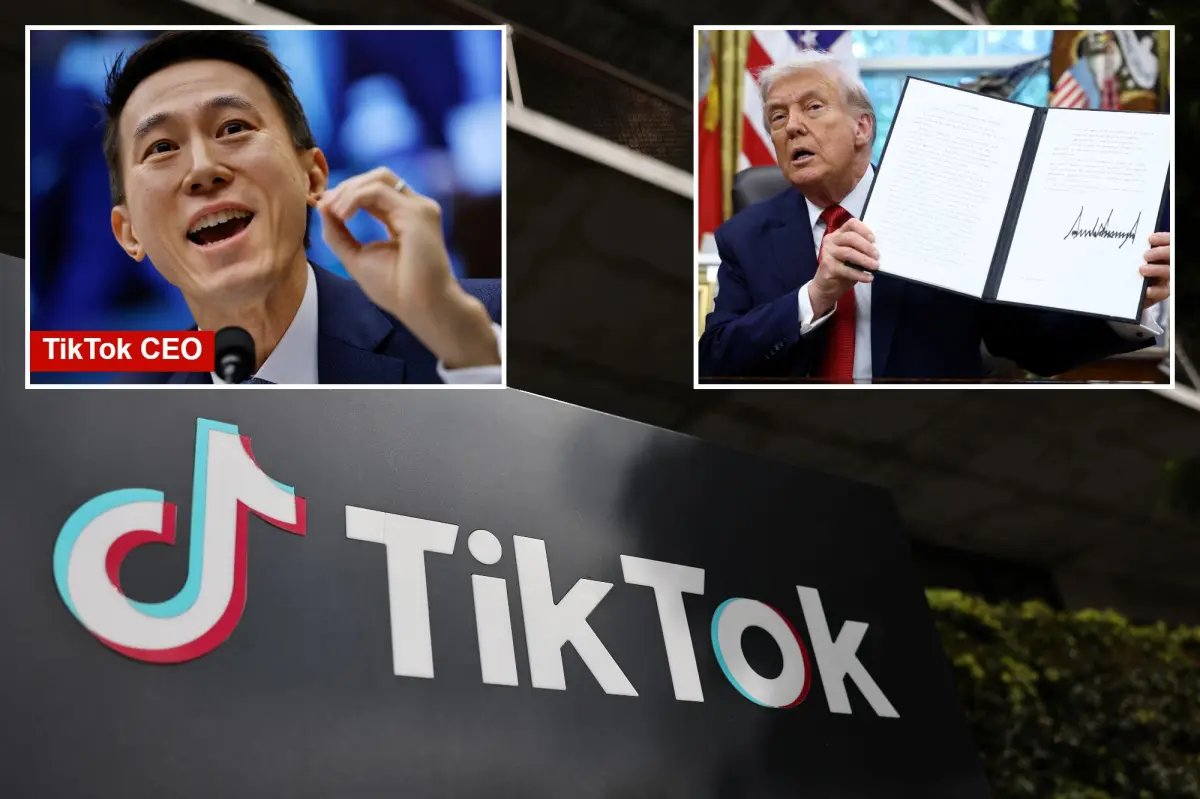
ByteDance, the Chinese parent company of TikTok, has confirmed the signing of binding agreements with three major investors for the sale of over 80% of its U.S. assets. This strategic move aims to mitigate the risk of a U.S. government ban on the popular social media app, which currently boasts over 170 million American users. TikTok CEO Shou Zi Chew announced the agreements during a communication to employees.
The deal represents a significant shift in the prolonged negotiations concerning TikTok’s operations in the United States, which have been contentious since former President Trump sought to ban the app in 2020, citing national security concerns. The arrangement aligns with previous plans revealed in September, which sought to alleviate regulatory pressure on ByteDance by divesting its U.S. holdings.
Under the new structure, the TikTok U.S. joint venture—named TikTok USDS Joint Venture LLC—will see Oracle, Silver Lake, and Abu Dhabi-based MGX secure a collective 45% stake. The agreement is set to finalize on January 22, 2024, effectively ending extensive efforts to require ByteDance to relinquish its U.S. business portfolio.
While Oracle declined to comment on the matter, TikTok emphasized the deal’s importance for American users, stating it would continue to foster a global community. According to disclosures, the ownership distribution includes 50% held by the consortium of new investors, 30.1% by certain current ByteDance affiliates, and a 19.9% share retained by ByteDance itself.
ByteDance did not provide immediate feedback concerning the agreements.
Why this story matters:
- The deal is pivotal in addressing U.S. national security concerns while allowing TikTok to continue its operations.
Key takeaway:
- The establishment of a U.S. joint venture marks a resolution to ongoing tensions surrounding TikTok’s ownership and management.
Opposing viewpoint:
- Critics argue that the divestiture does not sufficiently mitigate the risks associated with data privacy and national security.