


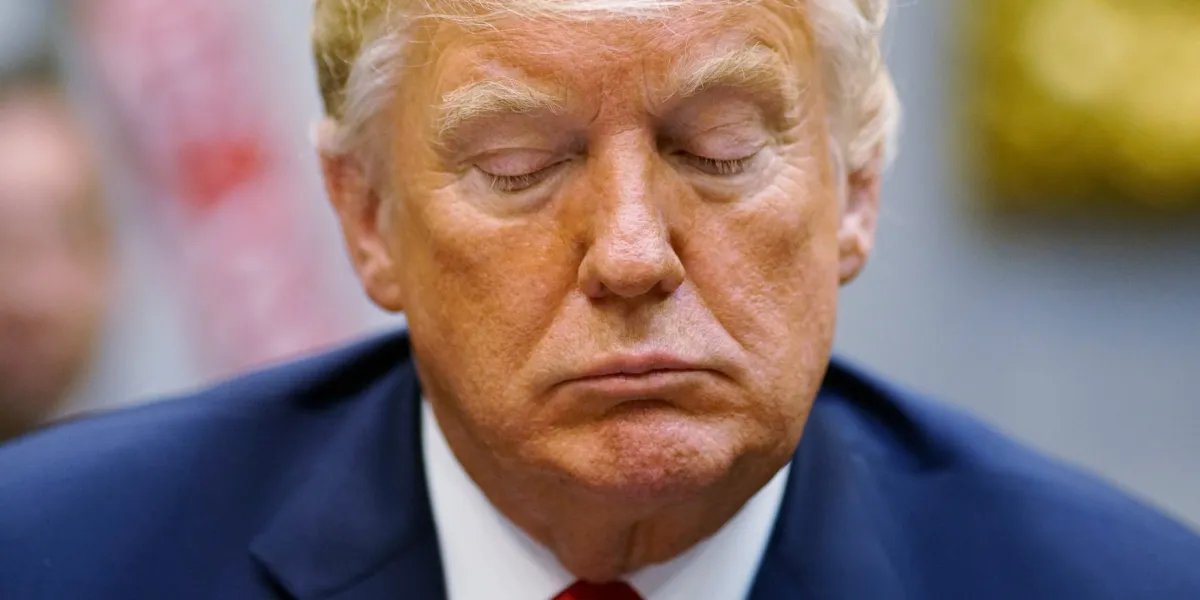
President Donald Trump’s recent financial disclosure, spanning 927 pages, has sparked scrutiny due to its extensive content, which includes thousands of stock transactions and over $1 billion in cryptocurrency earnings. This disclosure contrasts sharply with those of former Presidents Barack Obama, who submitted an eight-page report, and Joe Biden, who provided an 11-page account. Critics question how a sitting president can engage in such high-frequency trading without making direct decisions.
Experts in financial infrastructure suggest that the apparent complexity of Trump’s portfolio may not indicate impropriety but rather reflect a growing trend in automated, high-volume investment strategies. These strategies, particularly direct indexing, allow investors to manage portfolios by purchasing individual stocks that comprise major indices, rather than outright buying index funds or ETFs.
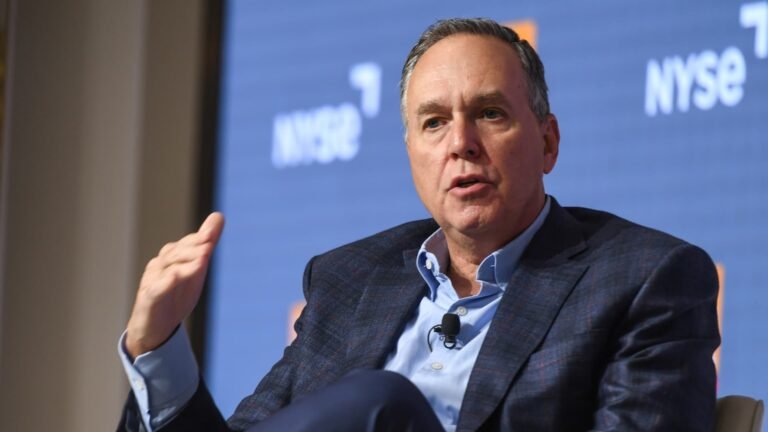
According to those familiar with direct indexing, such as Mo Al Adham, founder of Frec, the volume of trades is not unusual for automated accounts. Analyzing Trump’s previous disclosures, Al Adham and his team observed a systematic trading pattern that aligns with typical direct indexing strategies, which can involve several thousand transactions per quarter.
Responses from Trump’s family members emphasize that the investments are overseen by third-party managers, implying a lack of direct involvement from Trump. Eric Trump stated that his father’s investments are handled through "blind accounts" managed by professional firms, reinforcing the notion that the trading activity may not result from personal decision-making.
While the disclosures raise questions about clarity in revealing the nature of managed versus personal trades, experts argue that confusion can fuel suspicion. Enhanced transparency in financial disclosures could provide reassurance and reduce misunderstandings surrounding the president’s trading activities.
Why this story matters:
- It highlights scrutiny over financial accountability for public officials.
Key takeaway:
- Trump’s trading activity may stem from automated investment strategies rather than personal decisions.
Opposing viewpoint:
- Critics argue that the lack of clarity in disclosures can foster public suspicion about potential conflicts of interest.