


Tensions between the United States and Iran continue to escalate as President Donald Trump explores various strategies to address the crisis in the Strait of Hormuz. The President’s approach has shifted from advocating for diplomatic solutions to considering more drastic measures, including the potential for lifting sanctions against Iran. Recently, his administration has also hinted at the possibility of targeting civilian infrastructure within the country.
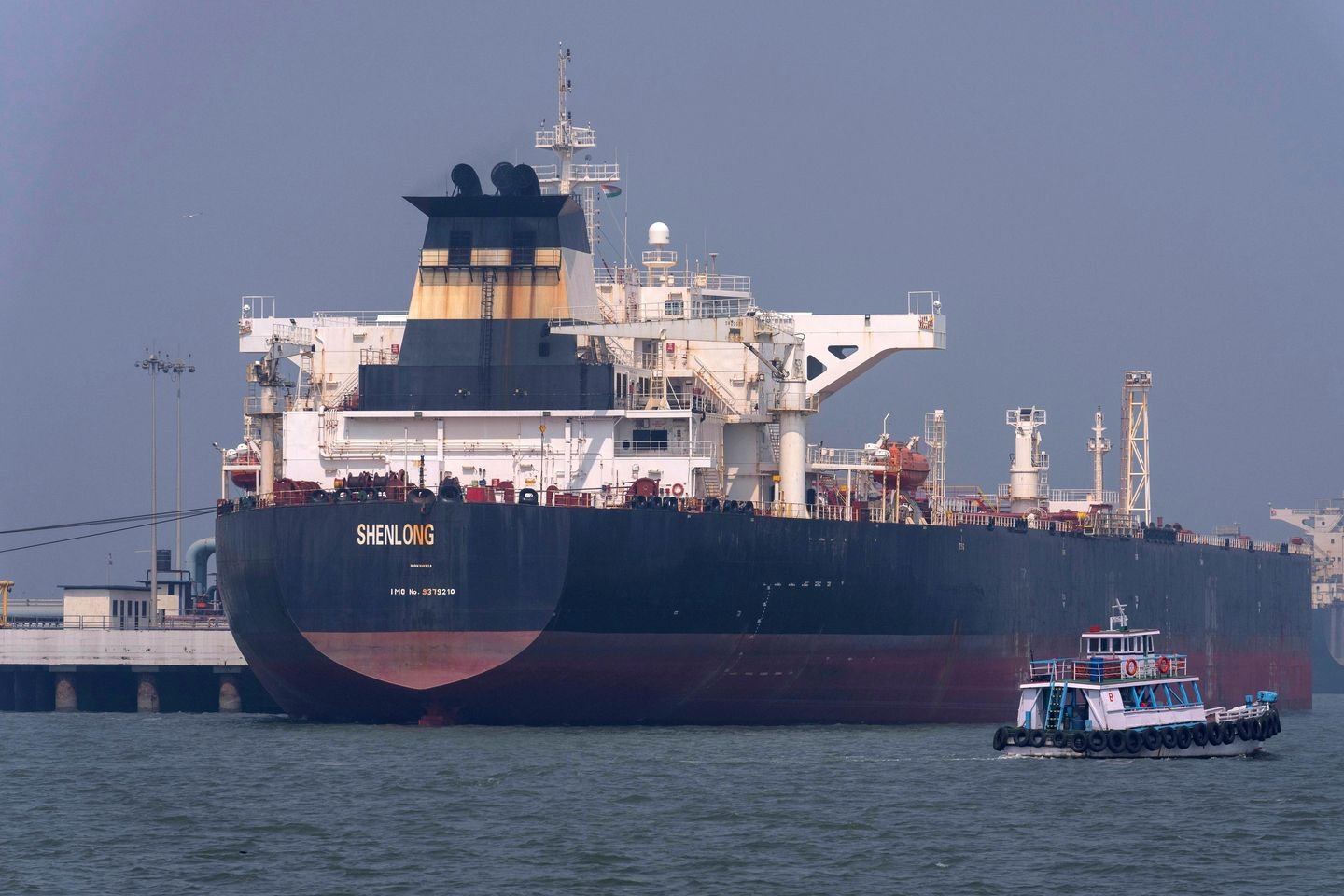
The situation is fueled by concerns over maritime security in a vital oil transit route, with the U.S. seeking to ensure safe passage for vessels in the region. As diplomatic discussions unfold, the threat of military action remains a prominent factor in the ongoing negotiations between the two nations.
The complexities of international relations in the Middle East and the potential ramifications of increased tensions raise significant questions about the future strategies of both governments.
Why this story matters
- The Strait of Hormuz is a critical passage for global oil shipments, making stability in the region crucial for international economies.
Key takeaway
- The evolving U.S. stance toward Iran highlights the challenges of balancing diplomacy and military readiness in response to regional conflicts.
Opposing viewpoint
- Critics argue that direct threats against civilian infrastructure could escalate the conflict and undermine potential diplomatic solutions.