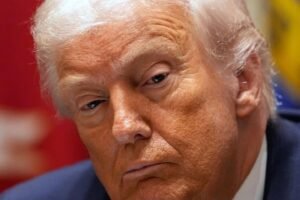


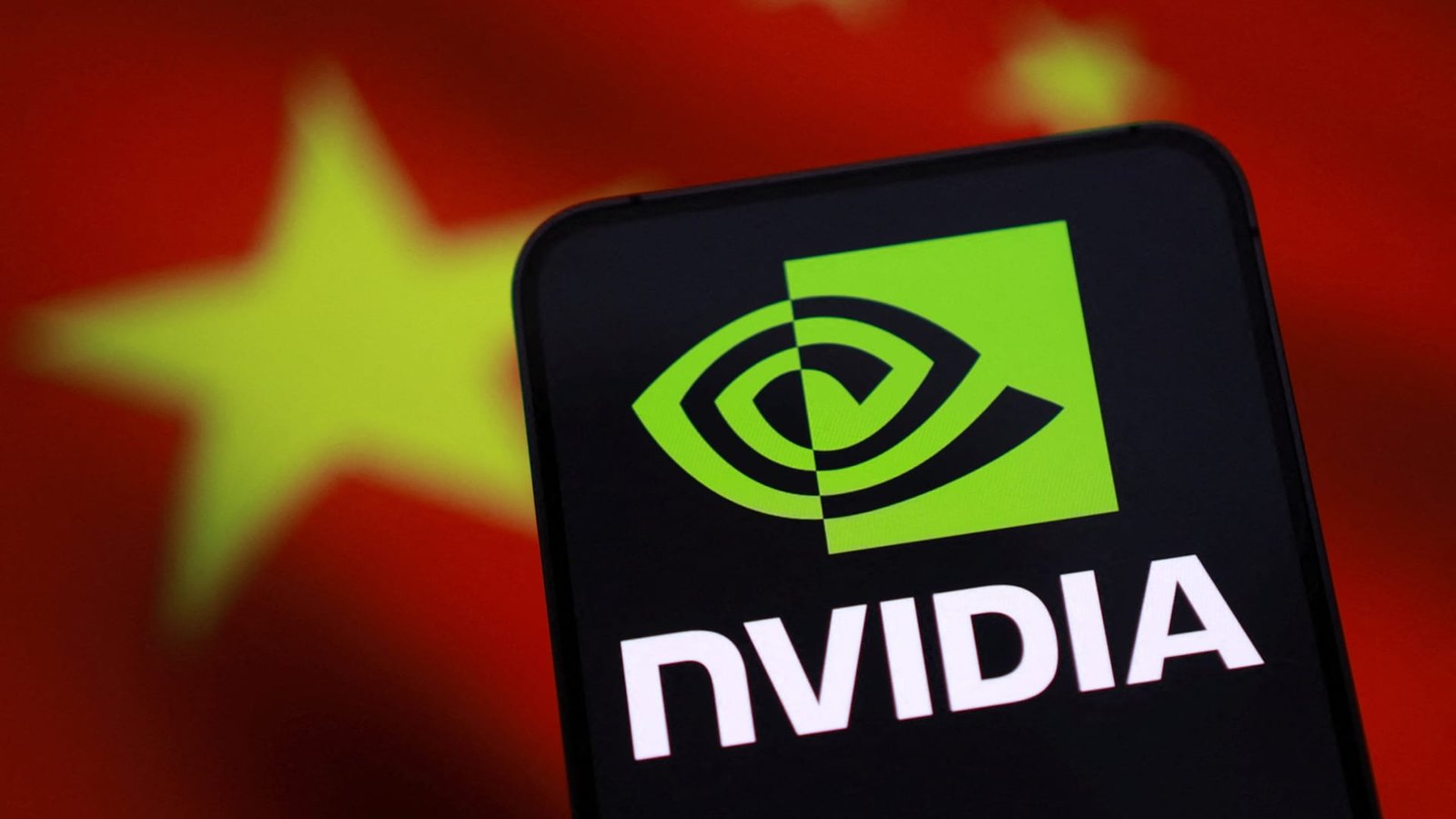
U.S. President Donald Trump’s recent decision allows Nvidia to export its advanced H200 artificial intelligence chip to China, a significant policy shift from previous years when stringent restrictions were imposed on Chinese access to high-tech semiconductors. Analysts indicate that this development may enhance China’s technological capabilities and shift the landscape of global AI competition.
Trump’s announcement on his Truth Social platform stipulates that Nvidia can sell the H200 chip to “approved customers” in China and elsewhere, contingent upon the U.S. taking a 25% cut of sales, an increase from 15% previously arranged. While Trump’s administration claims this initiative will foster innovation, critics caution that it may bolster China’s AI industry, potentially eroding U.S. advantages. Georgetown University’s Rush Doshi warned that by providing advanced AI capabilities, the U.S. increases the likelihood of a future dominated by Chinese technology.
Nvidia had earlier developed a less powerful chip, the H20, to comply with U.S. regulations, but shipments to China were halted in April. Tim Fist of the Institute for Progress stated that the new chip would allow Chinese developers to improve their AI models, creating a competitive environment for U.S. firms globally. The potential of the H200 chip could diminish the U.S.’s lead in AI compute capabilities, reducing it from tenfold to fivefold if exported freely.
As China continues to explore ways to lessen its dependence on foreign technology, the implications of Trump’s decision could reverberate through the tech community. Critics like Chris McGuire have labeled this move a significant strategic error, potentially jeopardizing long-term U.S. technological supremacy.
Why this story matters
Key takeaway
Opposing viewpoint