


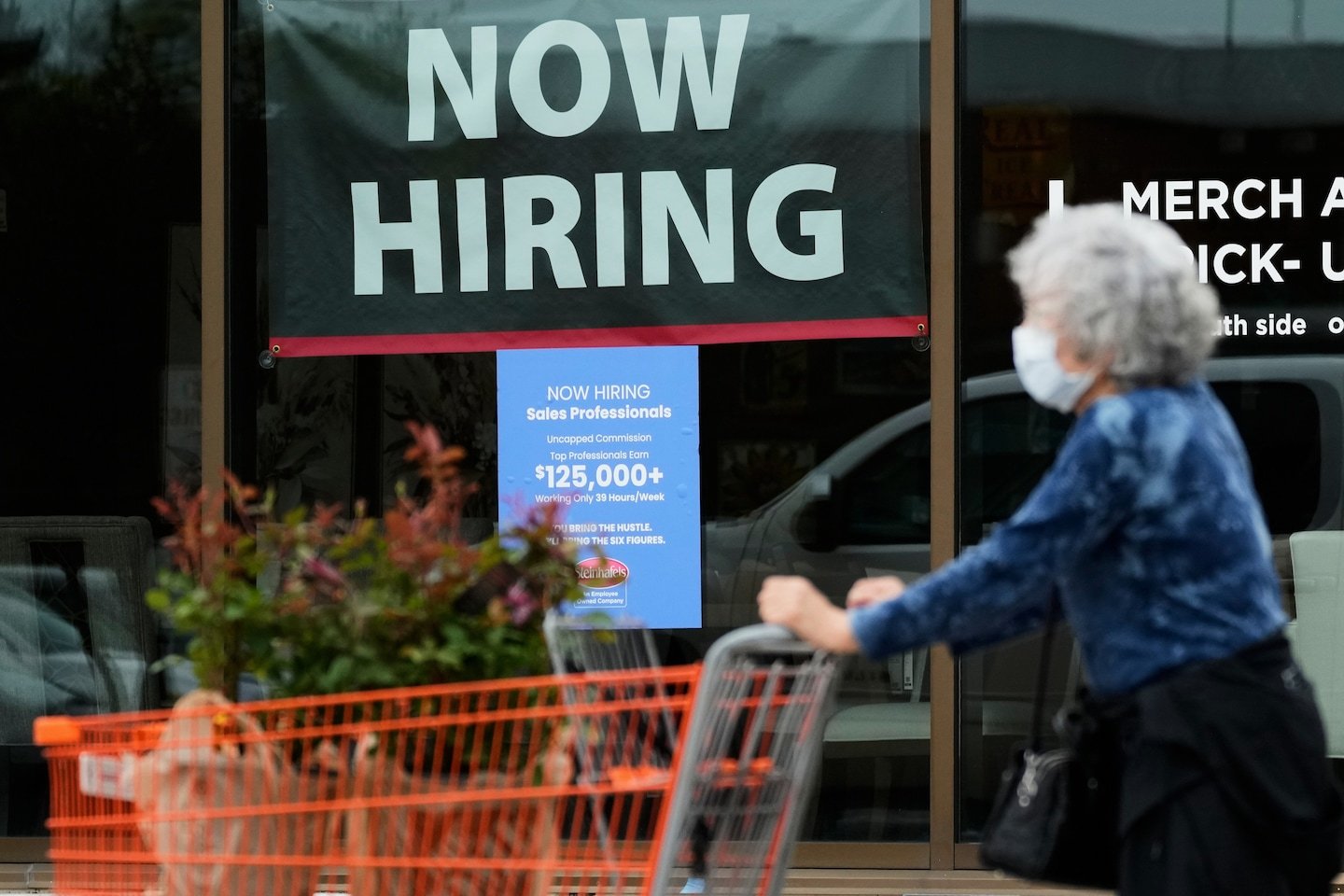
The U.S. economy experienced a paradoxical situation in July, with a decline in jobs alongside an improvement in the unemployment rate. This discrepancy has raised concerns among economists who interpret the data as indicative of deeper issues within the labor market.
While the economy reported job losses during the month, the unemployment rate decreased, suggesting that a significant number of American workers are exiting the labor force. This trend creates a complex narrative, as it implies that fewer individuals are actively seeking employment, which can misrepresent the overall health of the job market.
The decline in labor force participation could signify discouragement among workers or demographic shifts, leading to challenges for economic recovery and growth. As fewer individuals take part in the labor market, the implications for productivity and economic stability may intensify, prompting further analysis and discussion on labor policies and job creation strategies.
Economic experts caution that while headline unemployment figures might appear promising, they may not reflect the full reality of the workforce landscape, potentially masking underlying issues that could affect long-term economic resilience.
- Why this story matters: The job market dynamics affect economic stability and recovery strategies.
- Key takeaway: Improving unemployment rates amidst job losses signal potential labor market challenges.
- Opposing viewpoint: Some may argue that the decrease in the unemployment rate reflects a successful economic adjustment, emphasizing positive developments despite job losses.