


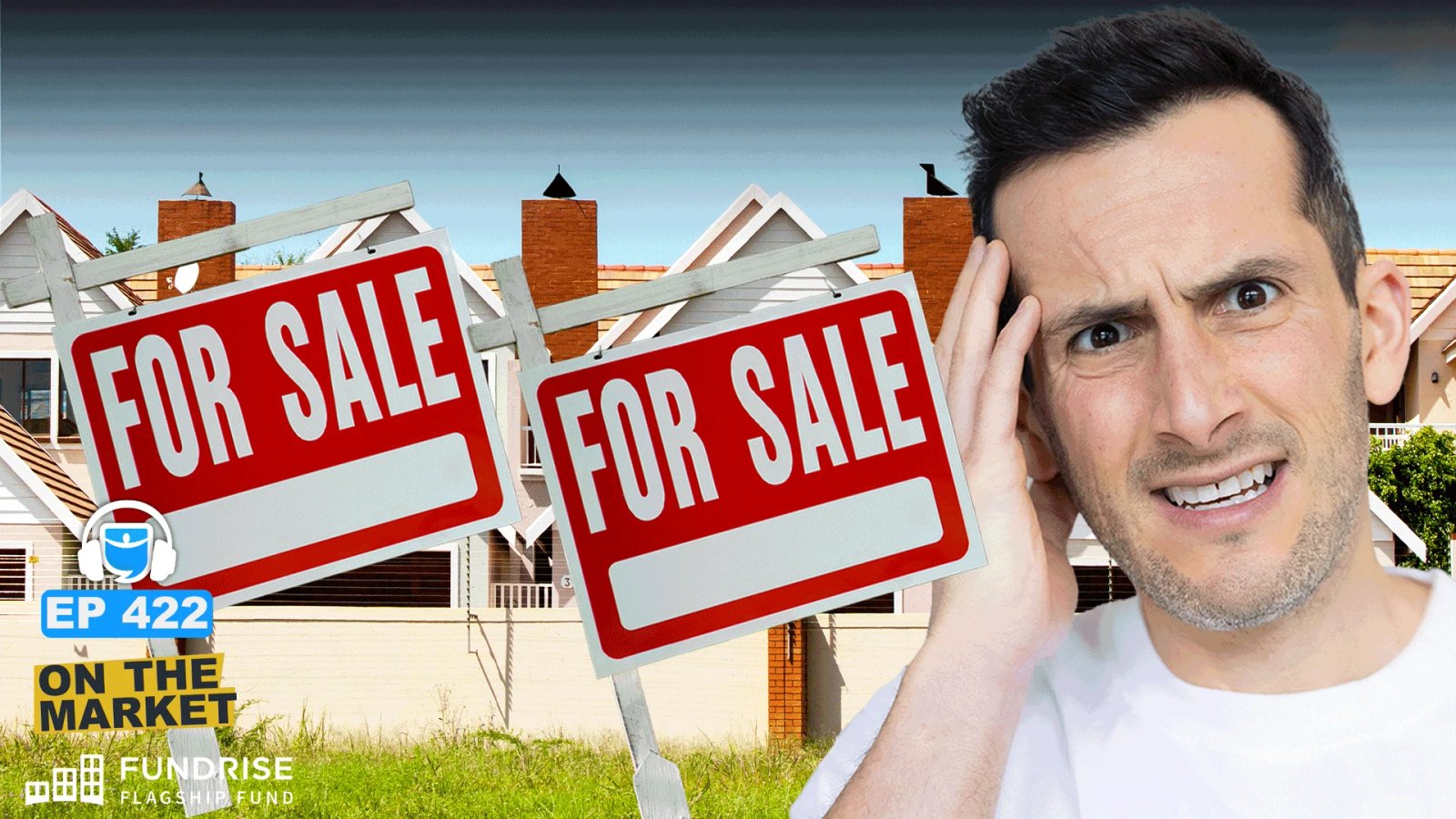
The current landscape of the housing market is characterized by a mixture of positive and negative trends, according to recent discussions by real estate experts. Home prices across the United States have shown a nominal decline after a prolonged period of stability. While some regions, particularly in the Midwest, continue to thrive, areas like California, Texas, and Florida are exhibiting signs of market volatility, leading to price reductions, particularly in luxury markets such as Malibu.
Experts noted a “tale of two markets,” with roughly half of major areas experiencing price gains while others see declines. Sellers are beginning to adjust their asking prices, which could help stimulate a healthier housing market. Innovations in pricing strategies—such as setting lower initial asking prices to attract buyers—are proving effective, as increased foot traffic is noted in various locations.
Additionally, foreclosure rates are returning to pre-pandemic levels, rising 36% year over year in some markets. While this trend is alarming to some, others see potential opportunities for investors as distressed properties become available.
Moreover, rental data shows a slowdown in rent growth, with a 1.8% increase observed as of March 2026. This moderation in rental prices, coupled with rising incomes, is leading to improved affordability for renters, suggesting a slight easing of financial pressure for many households.
The interplay of these trends highlights the complexity of the current housing market, emphasizing the importance of strategic investment and market understanding.
Why this story matters:
- The examination of housing trends provides critical insights for potential investors and buyers.
Key takeaway:
- Understanding market dynamics and responding to shifts can present new opportunities despite a mixed economic environment.
Opposing viewpoint:
- Some investors may view the rising foreclosure rates and declining home prices as indicators of economic distress rather than opportunities.