


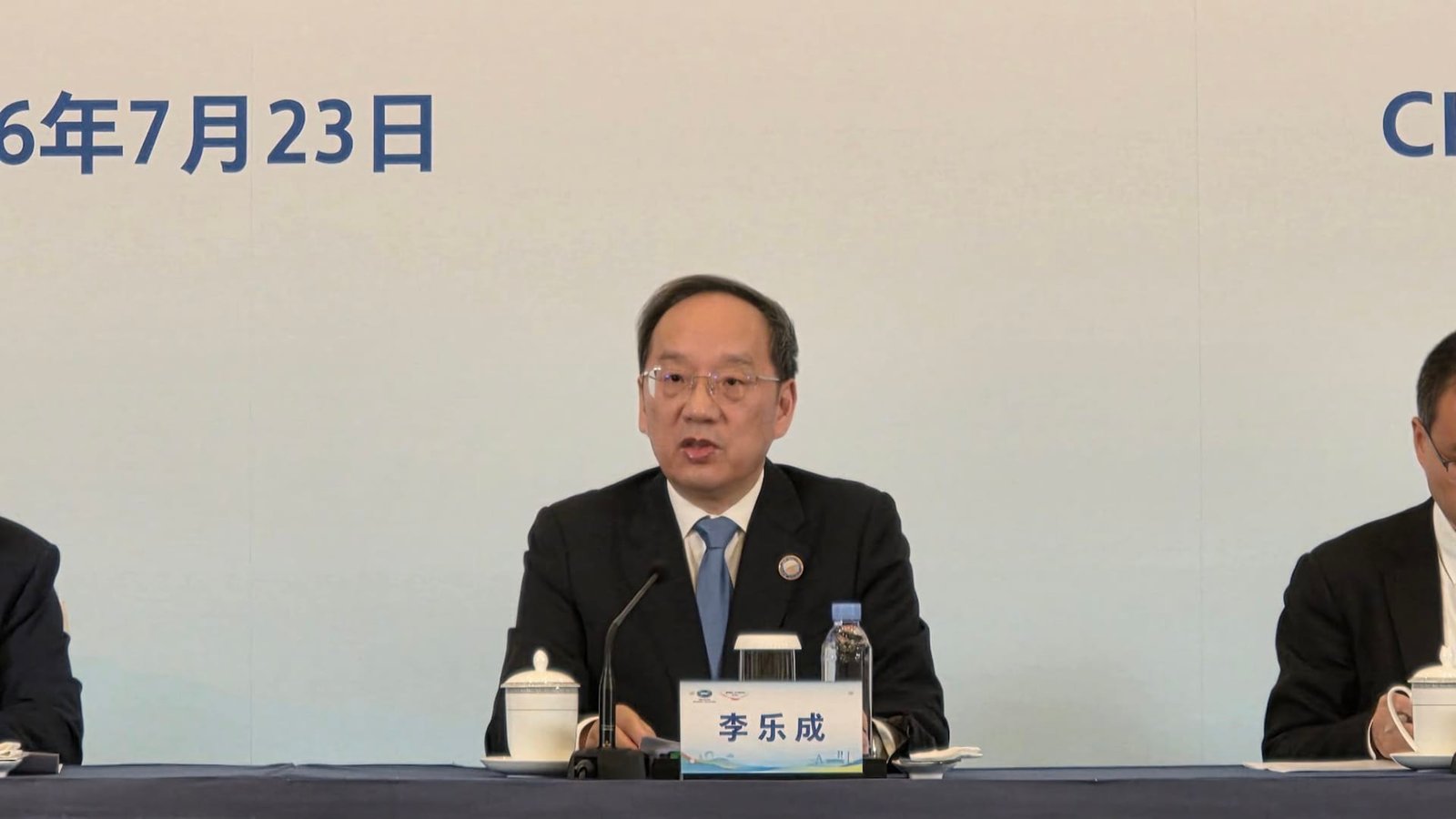
Li Lecheng, China’s Minister of Industry and Information Technology, addressed the growing demand for governmental oversight of artificial intelligence (AI) during a press conference on July 23, 2026, in Chengdu, China, amidst the APEC Digital Weeks. In a statement, the 21 member economies of APEC, including the U.S. and China, highlighted the importance of security, data protection, and intellectual property rights while advocating for the development of open-source AI models.
This "Chengdu statement" reflects a shift in open-source AI from its traditional free-market principles towards increased governmental regulation. The focus is on fostering safe AI development and on encouraging collaboration among diverse sectors including government, private industry, and academia to address cybersecurity threats. The statement marks a significant step as it is the first APEC ministerial level declaration to prioritize open-source cooperation.
Notably, China has emerged as a leader in open-source AI, with companies like DeepSeek and GLM 5.2 offering free, accessible models, contrasting with U.S. firms such as Anthropic that provide only paid, closed models. Experts emphasize that this evolution signals a move towards hybrid models that blend open-source with state-coordinated infrastructure aimed at security and transparency.
The conversations surrounding the statement suggest an evolving debate about the future of AI governance, with the growing consensus on the need for "strong security assurance." As the tech landscape continues to transform, calls for readiness in adapting to advancements like quantum computing have also been highlighted, stressing the need for secure encryption measures essential for financial and technological stability.
Why this story matters:
- The shift towards regulated open-source AI underscores global governance trends in technology.
Key takeaway:
- The APEC statement represents a consensus on the necessity of security in open-source AI development among major economies.
Opposing viewpoint:
- Critics may argue that increasing state oversight could stifle innovation and undermine the foundational principles of open-source technology.