


In an effort to intensify economic pressure on Cuba, the Trump administration has announced new sanctions targeting key state-owned industries and enhancing the enforcement of existing laws that restrict American interaction with Cuban government-affiliated enterprises. On Thursday, the Treasury and State departments imposed penalties on nine companies in the mining, metal, and construction sectors, as well as the leadership of the Cuban Institute of Friendship with the Peoples (ICAP).
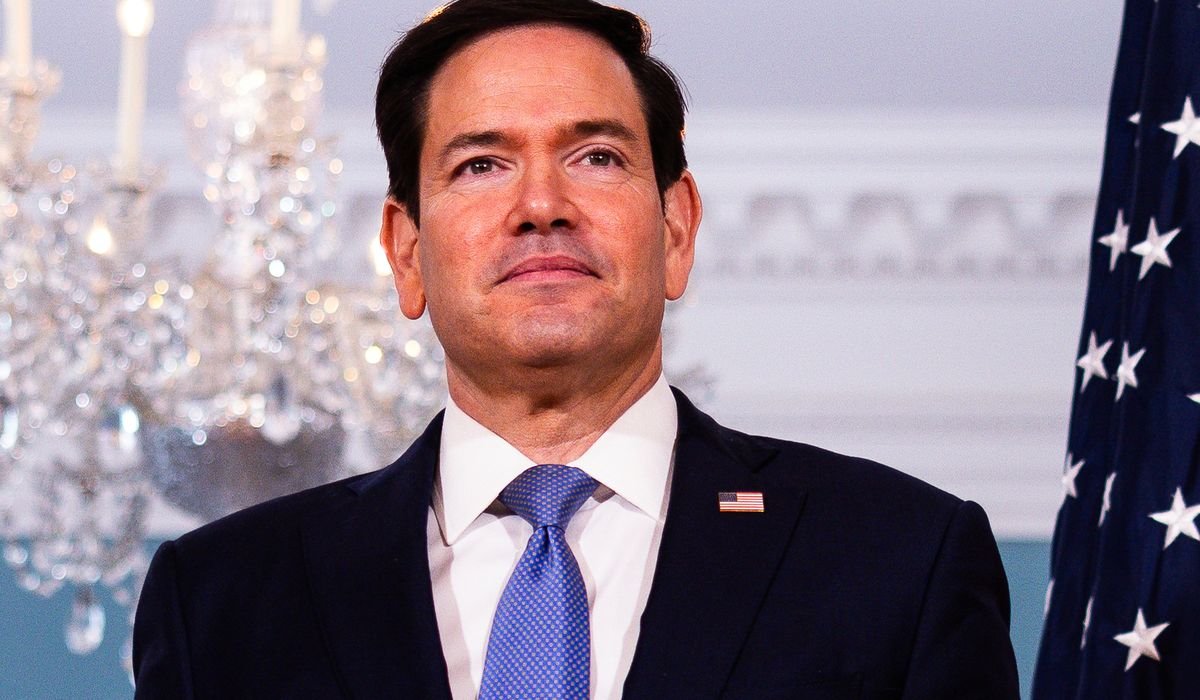
Secretary of State Marco Rubio characterized ICAP as a facilitator of a "subversive network" aimed at influencing individuals in the U.S. He highlighted recent attempts by the Cuban regime to exploit Fidel Castro’s 100th birthday for fundraising and recruitment initiatives.
The administration’s strategy against Cuba has intensified amidst ongoing international tensions, including a military engagement with Iran and efforts to curb funding to the Cuban government. An oil blockade on Cuba has further exacerbated the nation’s economic troubles, pushing it deeper into crisis.
Cuban officials, including Foreign Minister Bruno Rodríguez, vehemently condemned the sanctions, asserting that they aim to harm the Cuban economy and deny essential services to its citizens. Rodríguez criticized Rubio for targeting individuals associated with ICAP, which he claims promotes ideals contrary to the U.S. administration’s narrative.
The latest sanctions follow a recent incident at Miami airport, where several U.S. citizens returning from Cuba were briefly detained and questioned about their activities on the island. While most were released, potential legal repercussions for violating U.S. sanctions remain.
The situation in Cuba continues to deteriorate, with widespread blackouts, a collapse in public transport, and growing shortages of essential goods and medical supplies.
Why this story matters
- The implications of these sanctions extend beyond politics, affecting everyday lives in Cuba and U.S.-Cuba relations.
Key takeaway
- Increasing sanctions may fuel further economic hardship and reshape diplomatic interactions between the U.S. and Cuba.
Opposing viewpoint
- Critics argue that these sanctions harm ordinary Cubans rather than the government they target, contradicting claims of promoting democracy and stability.