


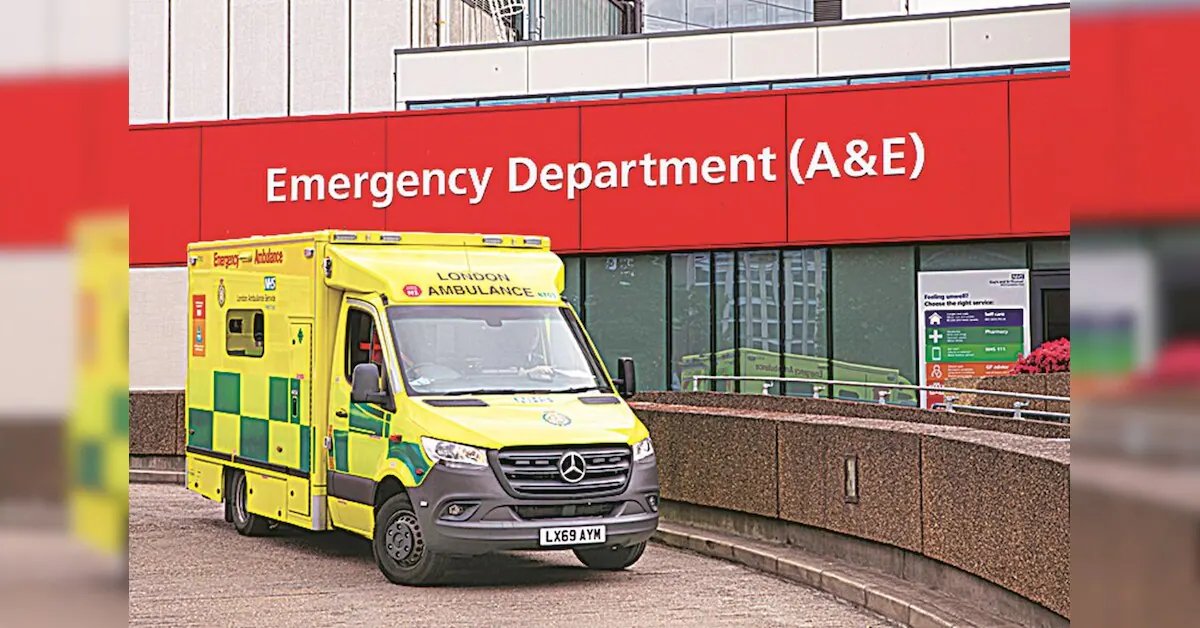
Medical professionals in the UK have expressed serious concerns regarding the impact of recent heat waves on the country’s healthcare system. A survey conducted by the Doctors’ Association UK revealed that high temperatures are creating significant challenges for hospital operations, with staff reporting patients unable to receive intravenous drips and medications deteriorating due to heat. The situation has led to incidents of staff members collapsing from heat fatigue.
Climate change is underscoring the lack of preparedness in facilities that were initially designed for a more stable climate. Nick Watts, former chief sustainability officer at the NHS in England, indicated that about 90% of hospitals are susceptible to overheating. The necessary upgrades would incur substantial costs that current NHS budgets are unprepared to handle.
According to the survey, 83% of NHS staff identified their working environment as "very hot" or "dangerously hot" during the heatwave, with over two-thirds noting a detrimental impact on patient safety. The Royal College of Nursing highlighted the inhumane conditions, citing cases of staff requiring emergency care after collapsing from dehydration, and restrictions on the use of portable fans and air-conditioning units in some wards.
Yvette Cooper, the UK’s Secretary of State for Health and Social Care, acknowledged the extraordinary efforts of NHS staff amid these extreme conditions. However, the NHS faces significant financial challenges, with a reported £15.9 billion ($21.5 billion) required for urgent building upgrades. Backlogs of approximately £1 billion in Wales and Scotland further exacerbate the situation. An independent review indicated a £37 billion shortfall in capital investment for the NHS relative to spending in similarly developed countries during the 2010s.
Why this story matters: The ongoing heat crisis highlights the urgent need for reforms in the UK healthcare infrastructure to ensure patient and staff safety.
Key takeaway: A significant percentage of NHS staff report that high temperatures are jeopardizing patient safety, with extensive financial and infrastructural improvements needed.
Opposing viewpoint: Some argue that the adaptation costs are prohibitive and should be balanced against other pressing healthcare needs.