
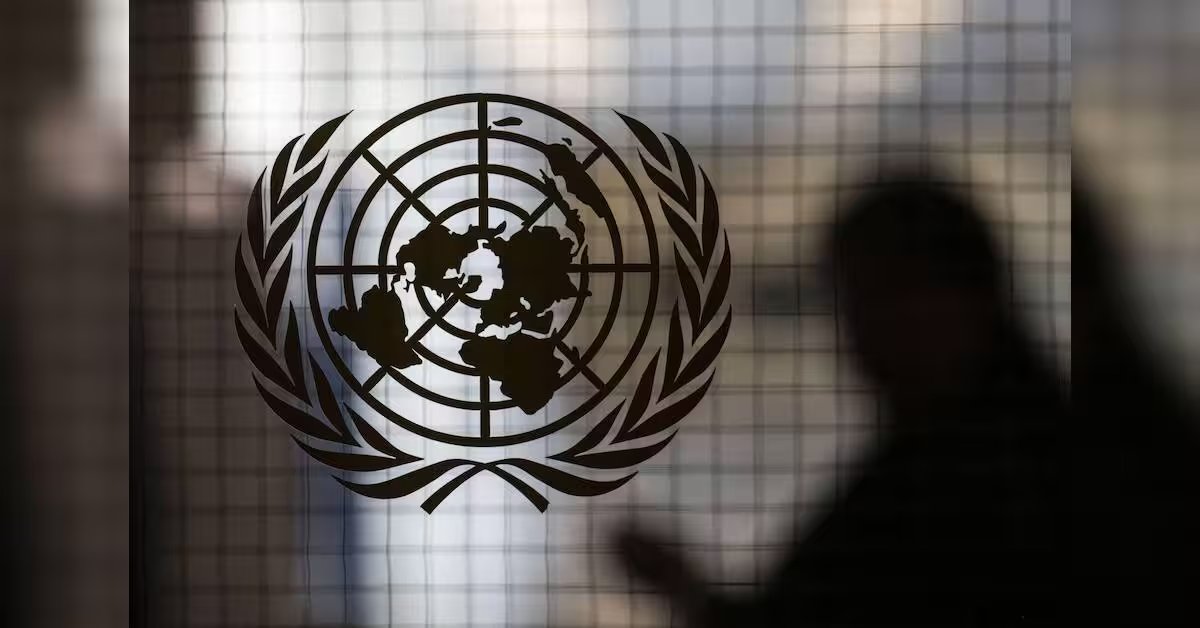
The selection process for the next United Nations Secretary-General has become increasingly tumultuous, reflecting broader geopolitical tensions and a significant shift in candidate profiles. For 80 years, the position has typically gone to seasoned diplomats from democratic nations. However, the current race features candidates from diverse backgrounds, including those backed by Turkey and the United Arab Emirates, as well as a rival supported by Argentina’s new right-wing leader.
Prompting additional debate, recent entrants include Lana Nusseibeh, the former UAE UN envoy, and Feridun Sinirlioglu, Turkey’s nominee and the head of the Organization for Security and Cooperation in Europe. The implications of these nominations challenge previous expectations for regional rotation and gender representation in the role, as all previous incumbents have been men.
This selection process occurs amid severe crises, including ongoing conflicts in Ukraine and Gaza, and challenges such as climate change and rising artificial intelligence. The UN’s budget currently stands at $6.5 billion in arrears, exacerbated by previous U.S. funding cuts and deteriorating relations among Security Council members, especially the five permanent veto-holding nations.
As the Security Council conducts informal “straw polls” to gauge support for candidates, uncertainty reigns. Recent polls indicate that candidates such as Nusseibeh and Sinirlioglu struggle to gain traction, while Rebeca Grynspan appears to lead in support. However, the influence of U.S. foreign policy and the potential impact of the American midterm elections on candidates remain unclear.
Analysts have expressed concern that the ongoing turmoil may hinder the UN’s ability to secure the robust leadership it needs during a critical juncture.
- Why this story matters: The evolving dynamics around the UN’s leadership could affect global cooperation on pressing issues.
- Key takeaway: The current selection process is unprecedented, featuring a diverse range of candidates amidst significant geopolitical tensions.
- Opposing viewpoint: Critics argue that the presence of candidates backed by authoritarian regimes undermines the UN’s democratic principles.