



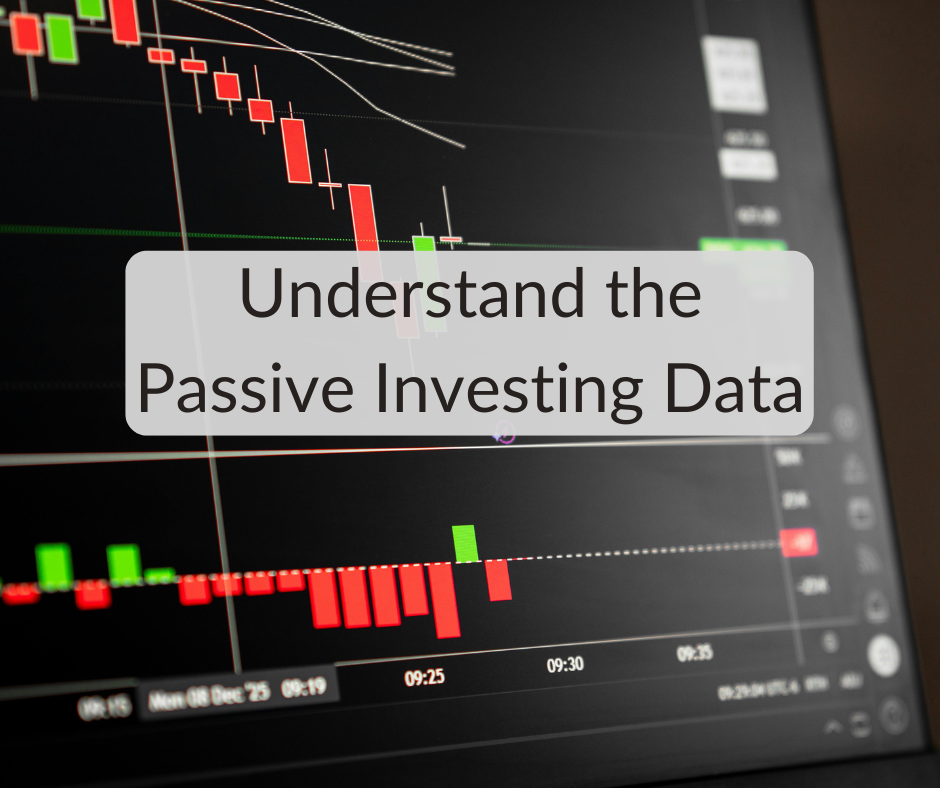
Investors often assume that actively managing their portfolios adds value, but this can lead to significant drawbacks. Many find that increased effort in managing investments can, paradoxically, reduce returns due to factors such as higher costs and increased tax burdens. Research consistently demonstrates that passive investing strategies, particularly through index funds, outperform most actively managed stock funds over extended periods.
The SPIVA reports highlight this trend, showing that over the long term, more than 90% of actively managed funds fail to surpass their benchmark indices prior to taxes. Post-tax, active managers fare even worse. The primary advantages of passive investing include lower costs, reduced behavioral errors, minimal turnover, less time commitment, broader diversification, and lower tax liabilities.
Despite the clear benefits of passive strategies, investors sometimes misapply the principles of passive investing. For instance, there is a tendency to overly focus on minor differences in fees between funds. Performance data indicates that variances of a few basis points do not significantly impact overall returns. Additionally, some funds marketed as actively managed may follow a passive philosophy that still yields favorable returns.
In markets lacking index funds, such as cryptocurrency or private real estate, investors may need to either employ active management or manage their investments directly. In these scenarios, active strategies can remain viable, and it’s essential to recognize the differences in market efficiency.
Ultimately, while passive investing generally provides better outcomes in publicly traded stock markets, investors should be cautious not to extend the concept beyond appropriate contexts and should understand the foundational principles that contribute to its success.
Why this story matters:
- Highlights the efficiency of passive investing in public markets versus the potential drawbacks of active strategies.
Key takeaway:
- Most investors are better served by low-cost index funds than by actively managed funds.
Opposing viewpoint:
- Active management may still hold value in less efficient markets, such as private equity or real estate, where opportunities for skilled management exist.