

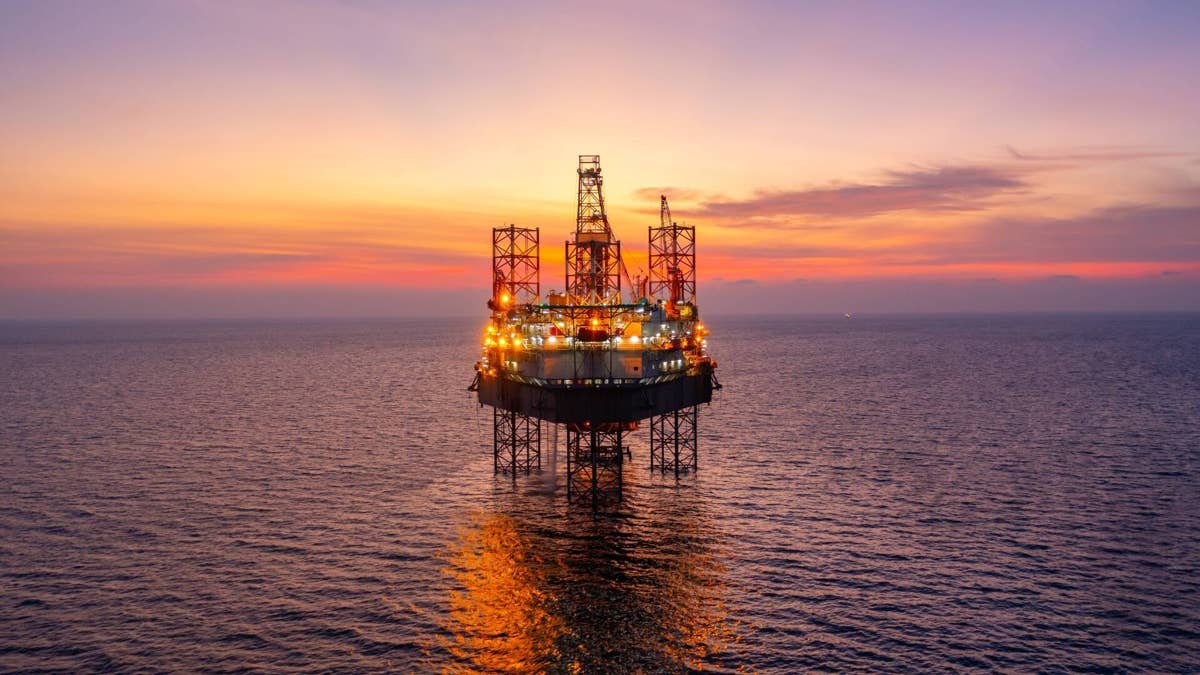
Oil and jet fuel prices continue to reach highs not seen in years, significantly impacting the airline industry. As of April 2026, U.S. oil prices hover around $100 per barrel, prompting several airlines to cancel less popular routes to optimize fuel usage. United Airlines CEO Scott Kirby indicated that airfare could increase by 20% in response to these rising costs. He emphasized that airline yields must rise by 15% to 20% as a quick adjustment to maintain operational margins.
In a recent earnings call, Kirby reported that United’s jet fuel expenses surged by over $340 million, suggesting that fluctuations in oil prices are unlikely to decrease airfare. Airlines such as Delta Air Lines have also adjusted their operations; Delta estimates that a one-cent rise in oil price per gallon will increase its costs by $40 million, leading to a reduction of approximately 3.5% in its summer network.
While larger airlines often possess more resources to navigate fuel price fluctuations, low-cost carriers like Spirit Airlines struggle under financial pressures intensified by high oil prices. Spirit is currently seeking emergency federal funding as it faces a precarious financial situation. Similarly, Southwest and JetBlue have raised checked baggage fees to manage rising operational costs without increasing base fares.
United’s Chief Commercial Officer Andrew Nocella noted that if high fuel prices persist and airlines adapt to this revenue stream, elevated airfare could become the norm for consumers.
Why this story matters:
- High fuel prices have far-reaching effects on airline operations and consumer airfare.
Key takeaway:
- Airlines may raise fares significantly to cope with rising jet fuel costs, impacting travelers.
Opposing viewpoint:
- Some airlines argue that they are taking steps to avoid raising base fares, despite operational cost pressures.