


Uttarakhand has recently been recognized as the sixth fully literate state in India, achieving this milestone under the National Education Policy (NEP) 2020 and the ‘ULLAS’ (Understanding Lifelong Learning for All in Society) program. This designation comes after the state met the adult literacy benchmarks set by the Department of School Education and Literacy within the Union Ministry of Education.
The approval for this declaration was granted by Uttarakhand Governor Lieutenant General (Retd.) Gurmeet Singh. Prior to Uttarakhand’s achievement, five other states—Mizoram, Goa, Tripura, Himachal Pradesh, and Sikkim—had attained full literacy status.
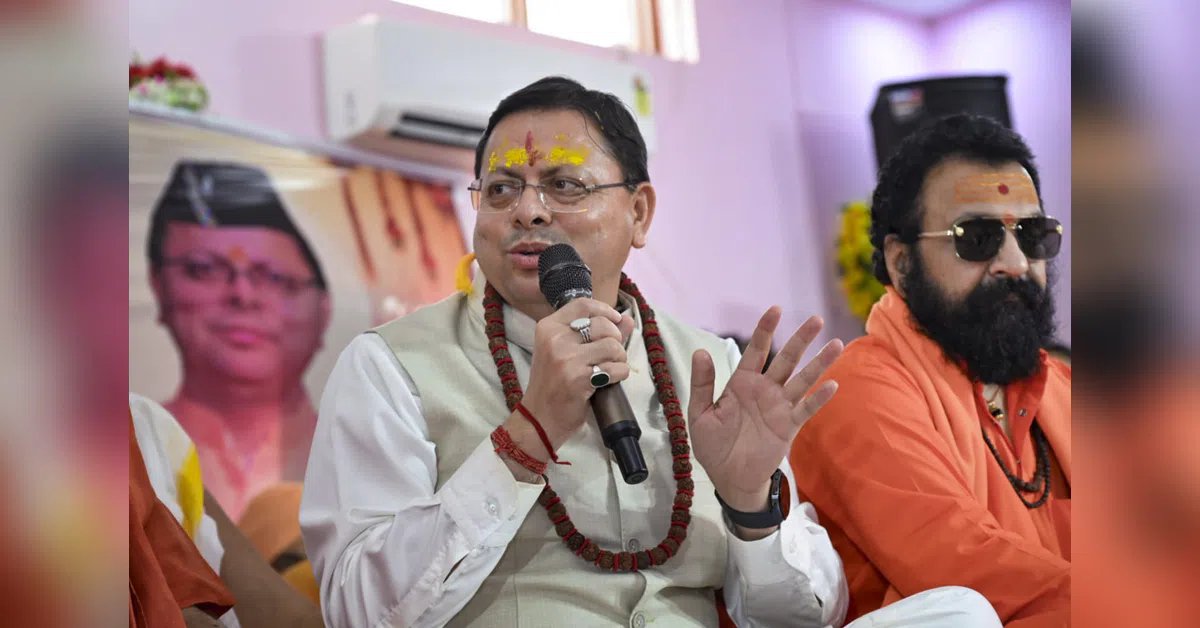
Uttarakhand’s Chief Minister Pushkar Singh Dhami lauded the accomplishment as a significant milestone. He attributed the success to the active involvement of citizens and the government’s sustained efforts. Dhami emphasized that this collective achievement advances the vision of a ‘Viksit Bharat’ (Developed India) by 2047. He affirmed that the government will remain committed to ensuring that digital literacy, financial literacy, ongoing education, and essential life skills are accessible to all residents.
The state cabinet had previously endorsed the proposal to declare Uttarakhand fully literate on June 19. Current statistics indicate that Uttarakhand has surpassed a literacy rate of 98%.
Why this story matters:
- Emphasizes the role of education in national development.
- Highlights successful implementation of educational policies.
Key takeaway:
- Uttarakhand’s achievement reflects effective collaboration between government initiatives and community involvement.
Opposing viewpoint:
- Some critics may argue that high literacy rates do not always equate to effective education or skill acquisition.