


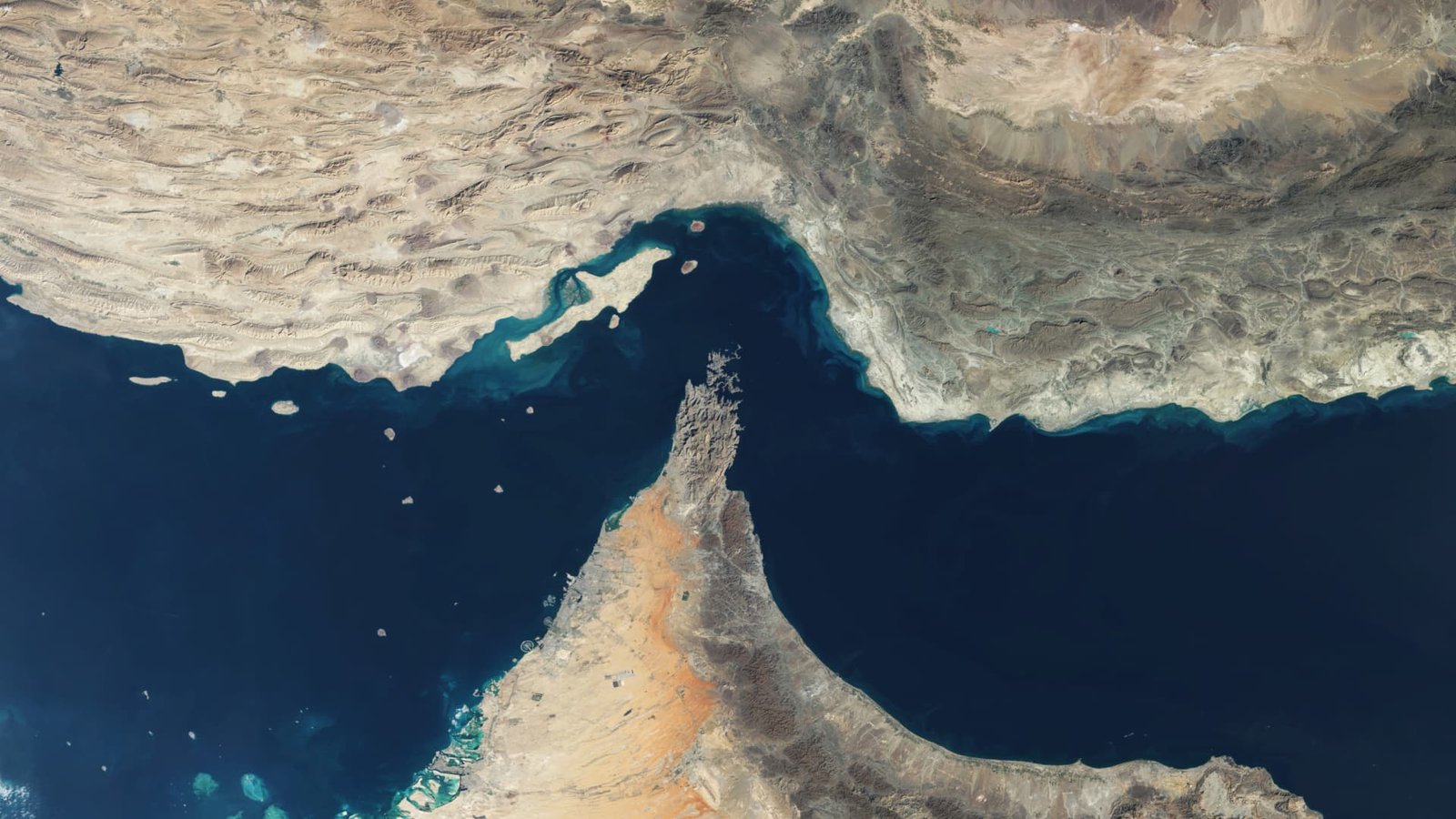
A recent analysis from Citrini Research has provided insight into the ongoing situation in the Strait of Hormuz, a key maritime route essential for global oil shipments. Amid rising tensions between Iran and the U.S., the firm took a unique approach by sending an analyst to Oman’s Musandam Peninsula to observe shipping activity directly.
The analyst, whose identity remains confidential, reported that despite fears of a significant disruption, vessels are still navigating through the strait. Current traffic is approximately 15 ships daily, indicating that the situation is evolving and partially disrupted rather than entirely closed. The analysis suggests that many tankers have turned off their Automatic Identification Systems (AIS), making it difficult to assess the actual volume of shipping traffic.
Interviews conducted by the analyst with local fishermen and regional officials imply that Iran is selectively permitting ships to transit its waters, establishing what Citrini describes as a “functional checkpoint” rather than a full blockade. This nuanced understanding of the conflict diverges from the prevailing narrative of an absolute closure of the strait.
While these findings stem from a single field visit and anecdotal evidence that lacks comprehensive verification, Citrini anticipates prolonged disruptions that may result in a lasting risk premium in oil markets. The firm has shifted its investment strategy toward longer-dated crude contracts, predicting a restoration to about 50% of pre-conflict shipping levels within the next month or so.
Why this story matters
Key takeaway
Opposing viewpoint