



Real estate is often lauded as a path to wealth, yet it also carries inherent risks. Investment success is heavily influenced by location, with certain areas now exhibiting significant vulnerabilities that could jeopardize investors’ financial stability. Key factors affecting returns include insurance costs, climate risks, and utility expenses, alongside more traditional metrics like employment rates and foreclosure statistics.
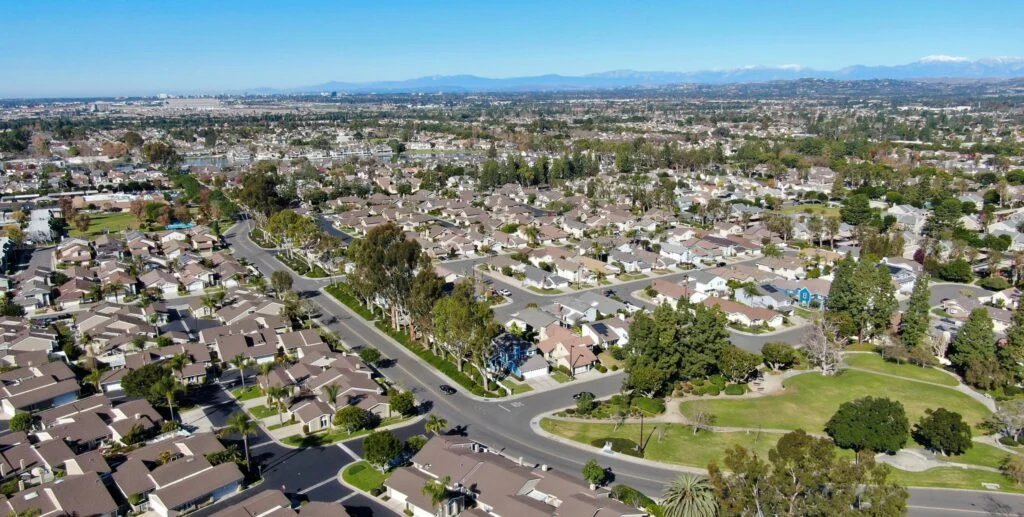
Recent analysis by ATTOM covering 594 U.S. counties highlights some unexpected regions as high-risk investments. Riverside County, California, stands out as the most perilous large market, with homebuyers spending approximately 66% of their wages on housing costs and a foreclosure rate that is double the national figure. Other California counties, such as San Bernardino and Fresno, are also identified as unstable, burdened by high unemployment and foreclosure rates.
In more affordable markets like Philadelphia County, rising investor activity has led to concerns about sustainability, with nearly 8% of homeowners underwater on their mortgages. This heavy investor presence can destabilize neighborhoods, as many investors struggle with property management and financial viability, resulting in increased foreclosures.
Florida is emerging as a cautionary tale, with 16 of the 50 U.S. counties facing the highest risk of declining home values, primarily due to insurance costs and climate change factors. The economic landscape in Florida indicates significant market stress, as rising costs and falling rents compound risks for property investors.
As conditions become more complex, prospective investors must analyze various factors— including foreclosures and local economic health—beyond mere affordability. The current climate suggests a cautious approach, particularly in the more volatile markets.
Why this story matters:
- Understanding emerging risks in real estate can impact investment decisions significantly.
Key takeaway:
- Investors should weigh various economic indicators, including climate risks, when considering property purchases.
Opposing viewpoint:
- Some argue that despite risks, certain regions may still yield high returns if carefully managed with attention to local conditions.