



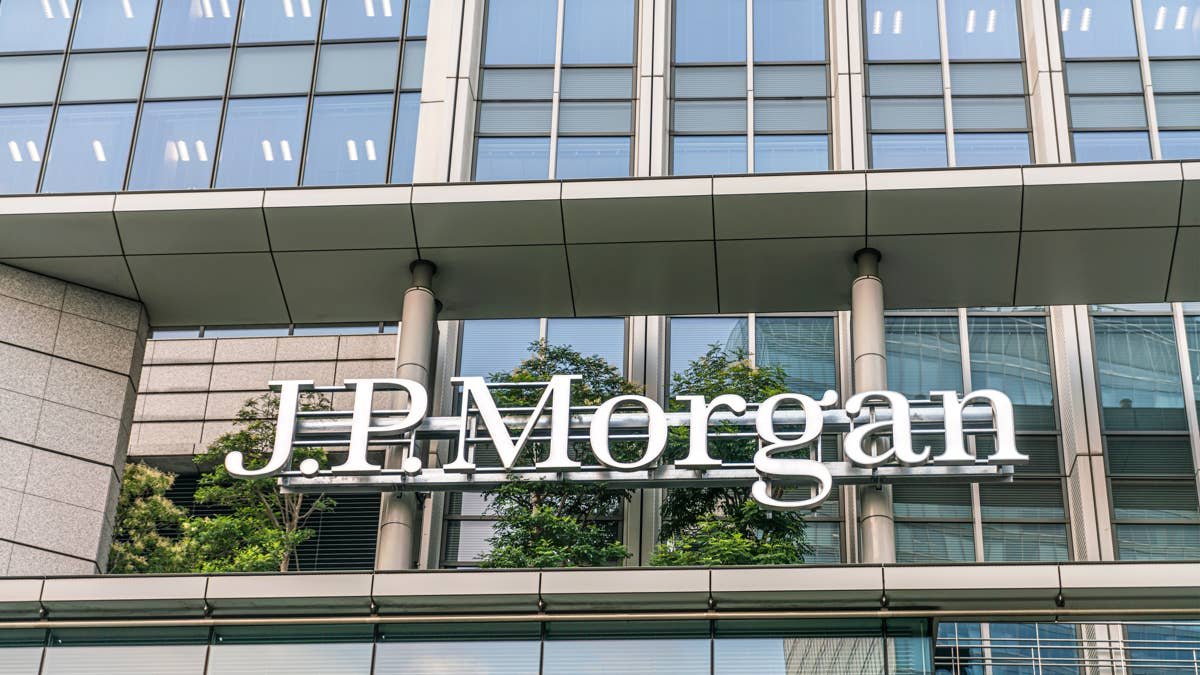
JPMorgan Chase is on the verge of becoming the first bank in history to reach a market capitalization of $1 trillion. Analysts on Wall Street are closely monitoring this potential milestone, which has never been achieved by any bank in the U.S. or worldwide. Currently, JPMorgan’s market value stands at approximately $965 billion, meaning it would require a stock increase of roughly 3.5% to surpass the $1 trillion threshold.
Wells Fargo analyst Mike Mayo has made headlines by raising his price target for JPMorgan shares from $375 to $390, indicating a potential gain of more than 7%. This positive outlook is attributed to the bank’s impressive financial performance, including a record net profit of $21.1 billion reported for the second quarter—a 41% increase compared to the previous year. Strong revenue from equities trading also played a significant role, surging 86% due to heightened market activity.
Mayo outlined a longer-term vision where JPMorgan could attain a $2 trillion market capitalization within the next seven to eight years. He attributes this growth to a "flywheel effect," where the bank reinvests its substantial returns into areas such as technology and international expansion, maintaining a competitive edge in the market.
However, the path to both $1 trillion and $2 trillion is not without risks. As JPMorgan approaches this unprecedented value, it may attract increased political and regulatory scrutiny. Additionally, a downturn in trading revenue could hinder growth. Analysts continue to emphasize the importance of sustained earnings growth and favorable market conditions for the bank’s future.
Why this story matters:
- Represents a significant moment in banking history, as no bank has previously reached a $1 trillion valuation.
Key takeaway:
- JPMorgan’s robust earnings and strategic reinvestments could position it for unprecedented growth.
Opposing viewpoint:
- Heightened regulatory scrutiny and reliance on volatile trading profits pose risks to sustained growth.