



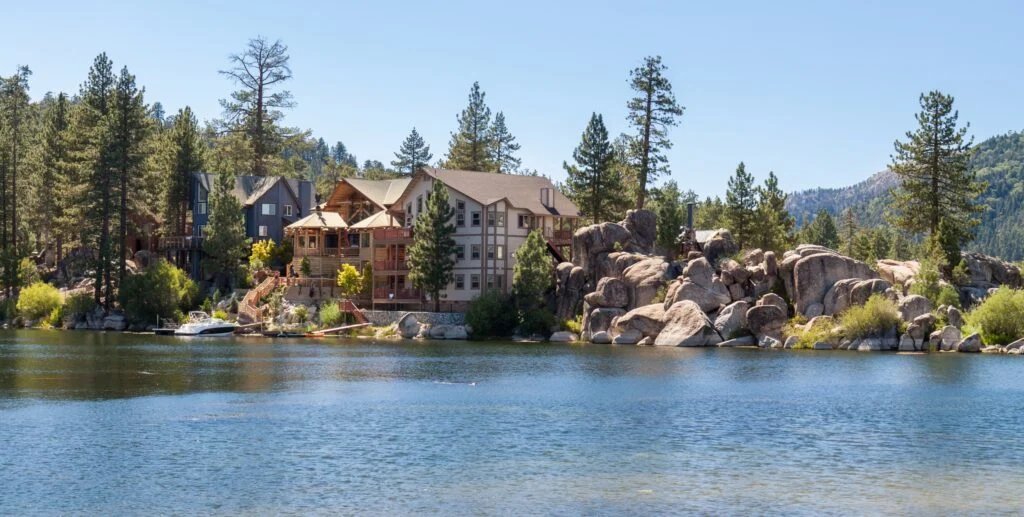
Waterfront short-term rental properties, such as lakefront cabins, beach houses, and riverfront retreats, typically enjoy high demand and the ability to command premium nightly rates. However, the very features that attract guests, including docks, pools, and outdoor recreational amenities, also heighten the liability risks associated with these properties.
Standard landlord insurance policies may not adequately cover incidents that occur outside the property lines, posing a significant challenge for owners of waterfront rentals. Guests engaging in activities such as swimming off docks or using nearby recreational areas can lead to accidents for which property owners may be held liable, potentially resulting in costly legal battles without proper coverage.
Specialized short-term rental insurance policies, like those offered by Proper Insurance, offer more comprehensive protection that extends to off-premises liability. These policies cover common amenities, which are often critical in justifying higher rental rates. Furthermore, standard landlord policies may hold business activity exclusions that can void coverage for certain liability claims, particularly during guest stays. This includes scenarios involving alcohol, which is frequently present in rental properties.
In terms of financial protection, traditional policies may also fall short when it comes to business income coverage, as they often base loss calculations on long-term rental rates rather than the potentially higher income generated by short-term rentals during peak seasons. Additionally, waterfront properties face unique environmental risks, including flooding and wind damage, which vary significantly based on location.
Investing in proper insurance tailored to short-term rentals can help mitigate coverage gaps and ensure property owners are protected against potential liabilities.
Why this story matters:
- Emphasizes the unique risks associated with waterfront short-term rentals.
Key takeaway:
- Specialized insurance is essential for owners of waterfront short-term rentals to ensure adequate coverage and mitigate liability risks.
Opposing viewpoint:
- Some may argue that standard landlord policies are sufficient and more cost-effective for those with minimal exposure risks.