

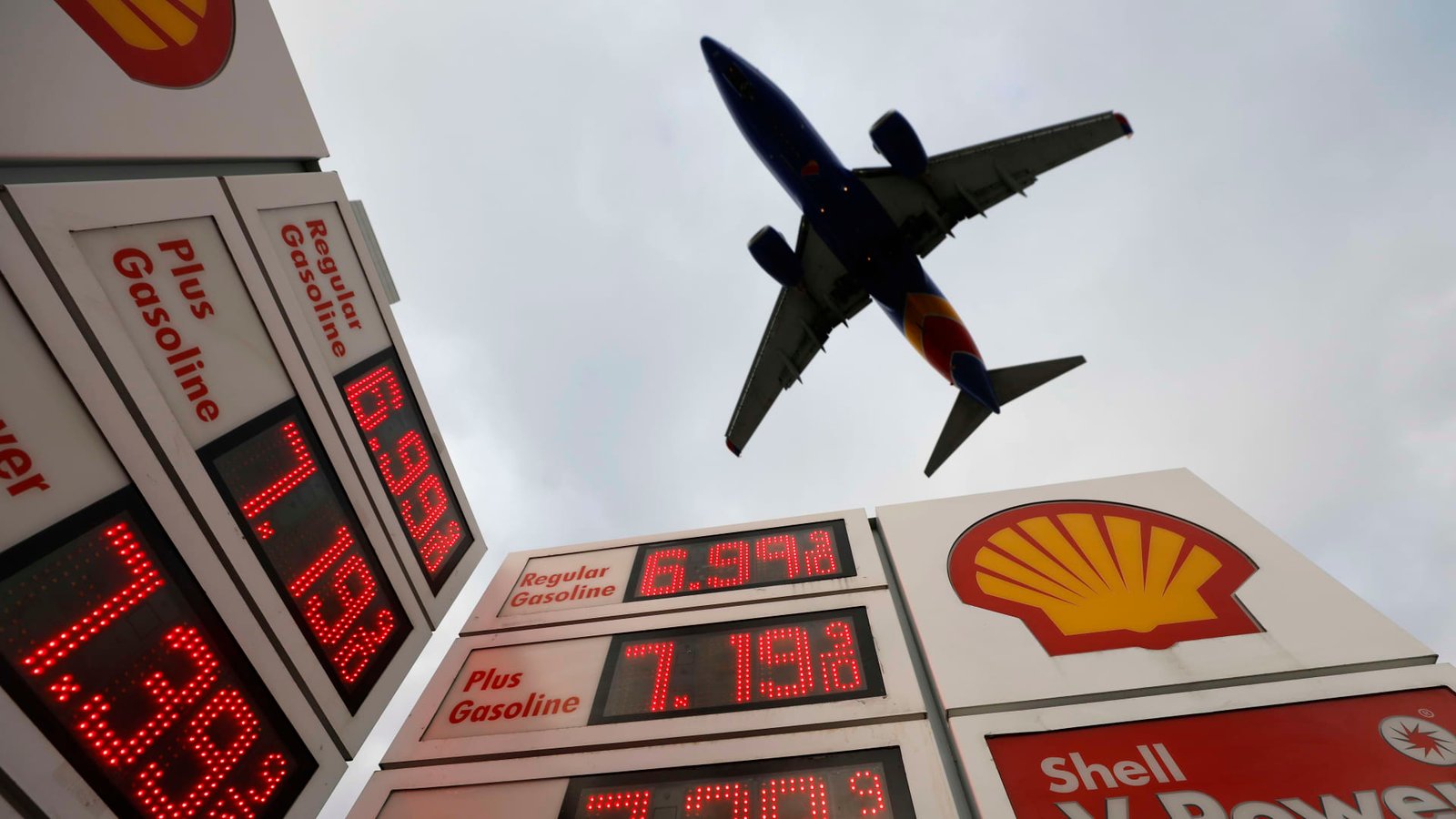
Gas prices have surged following the recent outbreak of conflict in Iran, impacting airfare for travelers. Jet fuel costs have reached multi-year highs due to ongoing disruptions in the Strait of Hormuz and sustained travel demand. Airline executives express concern that there may be little respite from high fuel prices for the foreseeable future.
Qantas Airways CEO Vanessa Hudson remarked that predicting changes in the fuel supply chain is uncertain and emphasized the importance of maintaining capacity to meet persistent travel demand. To cope with increased fuel costs, many airlines have raised fares and added surcharges. Despite a slight decline in passenger numbers compared to last year, the overall demand for air travel remains strong, with inflation leading to a significant rise in airfare costs—for instance, Thanksgiving ticket prices have increased by 31% from last year.
Carriers anticipate substantial revenue growth in the third quarter, although analysts have trimmed profit expectations due to rising jet fuel costs. American Airlines indicated a potential loss for the third quarter, revising its profit forecast for the upcoming years.
As airlines adjust to fluctuating fuel prices, they are reconsidering their capacity. Some carriers have reduced their schedules and routes, partly in response to the collapse of budget airline Spirit Airlines, which has resulted in tighter market conditions. Analysts predict that if fuel prices stabilize, airlines might increase capacity in 2027, impacting fares.
Why this story matters:
- Rising fuel prices directly affect airfare, which is crucial for travel budgets.
Key takeaway:
- Despite increased ticket prices, demand for air travel remains robust, indicating a resilient market.
Opposing viewpoint:
- Some may argue that current price hikes are excessive and could deter travelers, especially for holiday trips.