



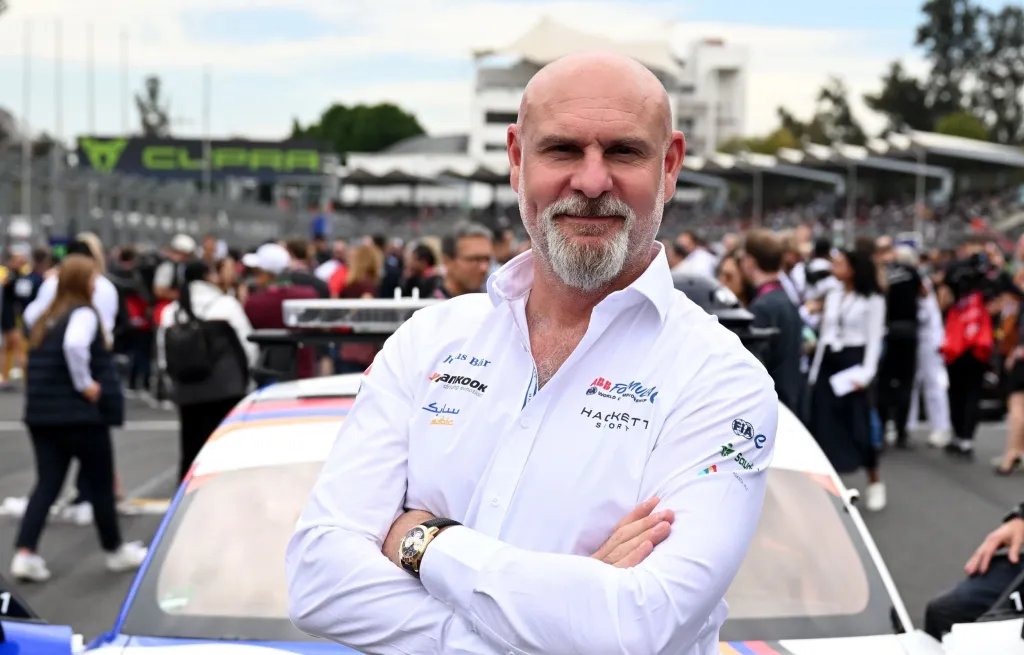
In just over a decade, Formula E has evolved from a niche all-electric racing series requiring two cars to complete a race into a globally recognized championship drawing hundreds of millions of fans. The organization aims to integrate sustainability into the automotive sector, being the first sport certified as a B Corporation, which signifies high standards in social and environmental performance.
When Formula E launched, the notion of an all-electric racing series seemed far-fetched, with only 300,000 electric vehicles sold globally. Today, forecasts suggest that figure could soar to as high as 40 million by 2030. The technology has developed dramatically, with the latest cars hitting speeds exceeding 200 miles per hour. CEO Jeff Dodds emphasizes that the shift towards electric vehicles is not just a reaction to trends, but an intrinsic part of Formula E’s founding principles.
Contrasting Formula E with Formula One, Dodds notes that while both utilize open-wheel, single-seater cars, their approaches differ significantly. Formula E’s races incentivize strategy, as drivers must manage limited energy resources, which leads to unpredictable outcomes—a hallmark that appeals to a younger, tech-savvy audience. A recent partnership with Disney+ and ESPN will expand Formula E’s global streaming reach, highlighting its potential for growth.
Furthermore, Formula E serves as a testbed for cutting-edge EV technology, collaborating with major manufacturers like Porsche and Jaguar. Innovations developed on the racetrack are beginning to influence consumer vehicles, showcasing Formula E’s role in the future of electric mobility.
Why this story matters
Key takeaway
Opposing viewpoint